Nombre de la Universidad o Institución Educativa
Pontifícia Universidade Católica do Rio de Janeiro
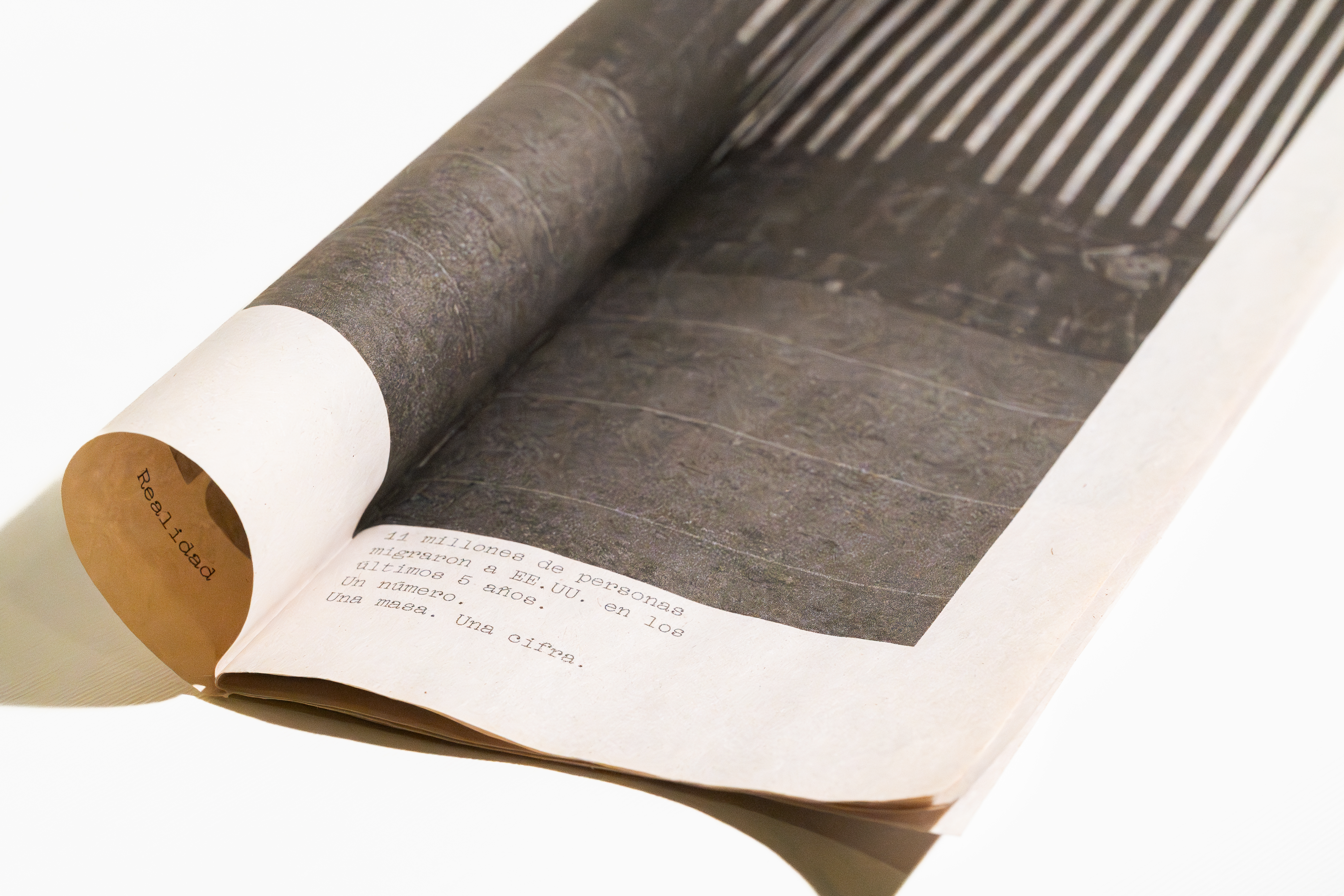
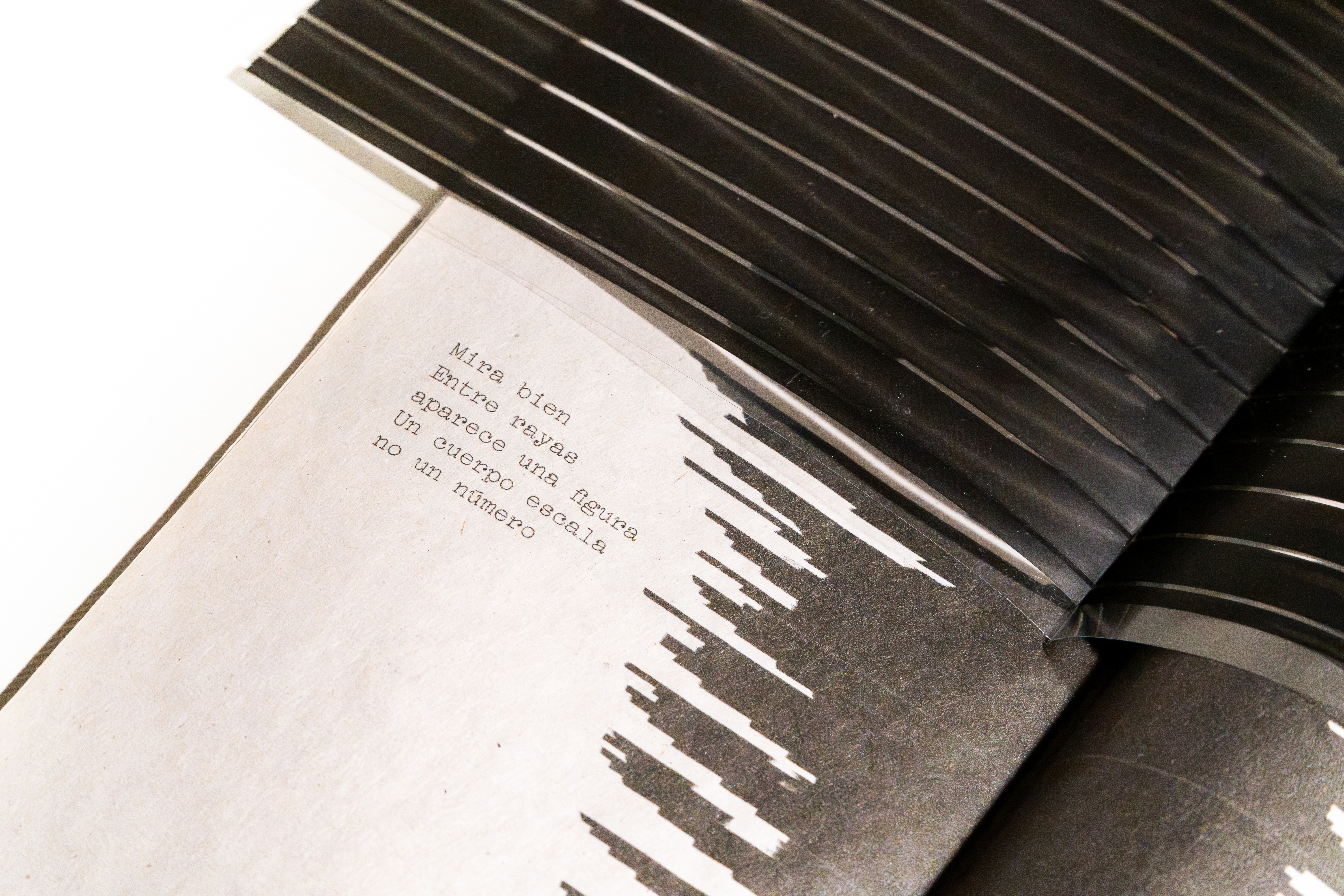
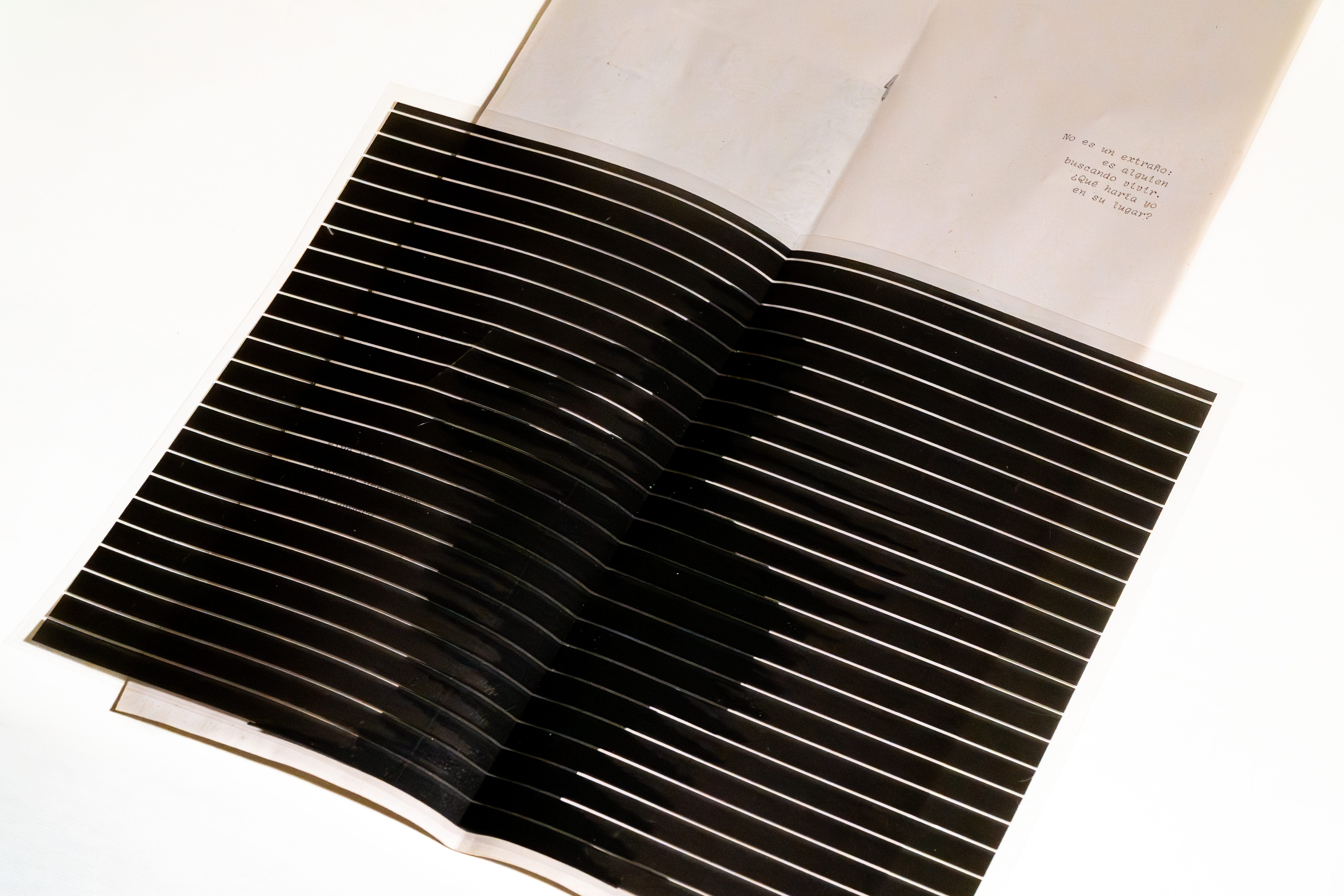
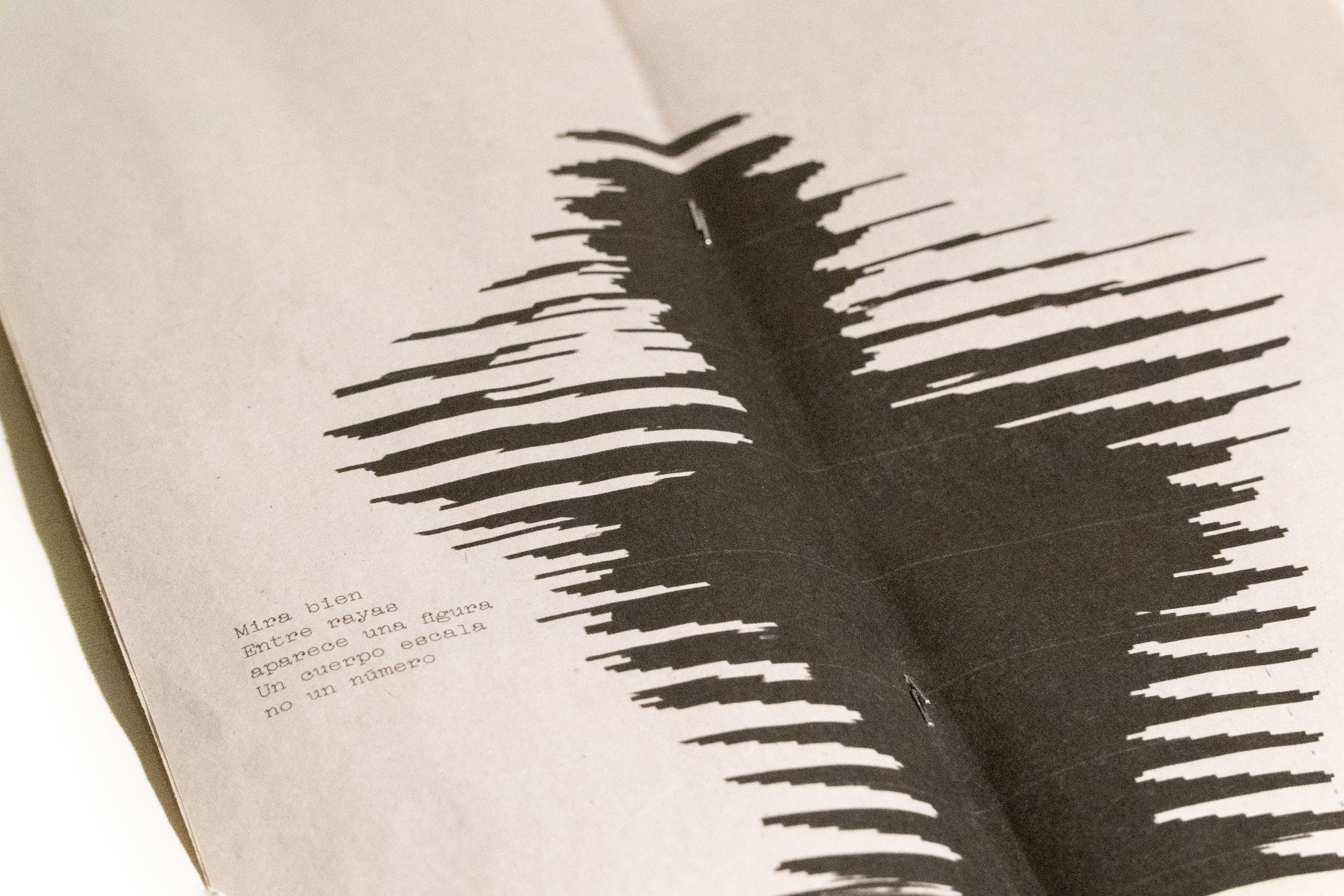
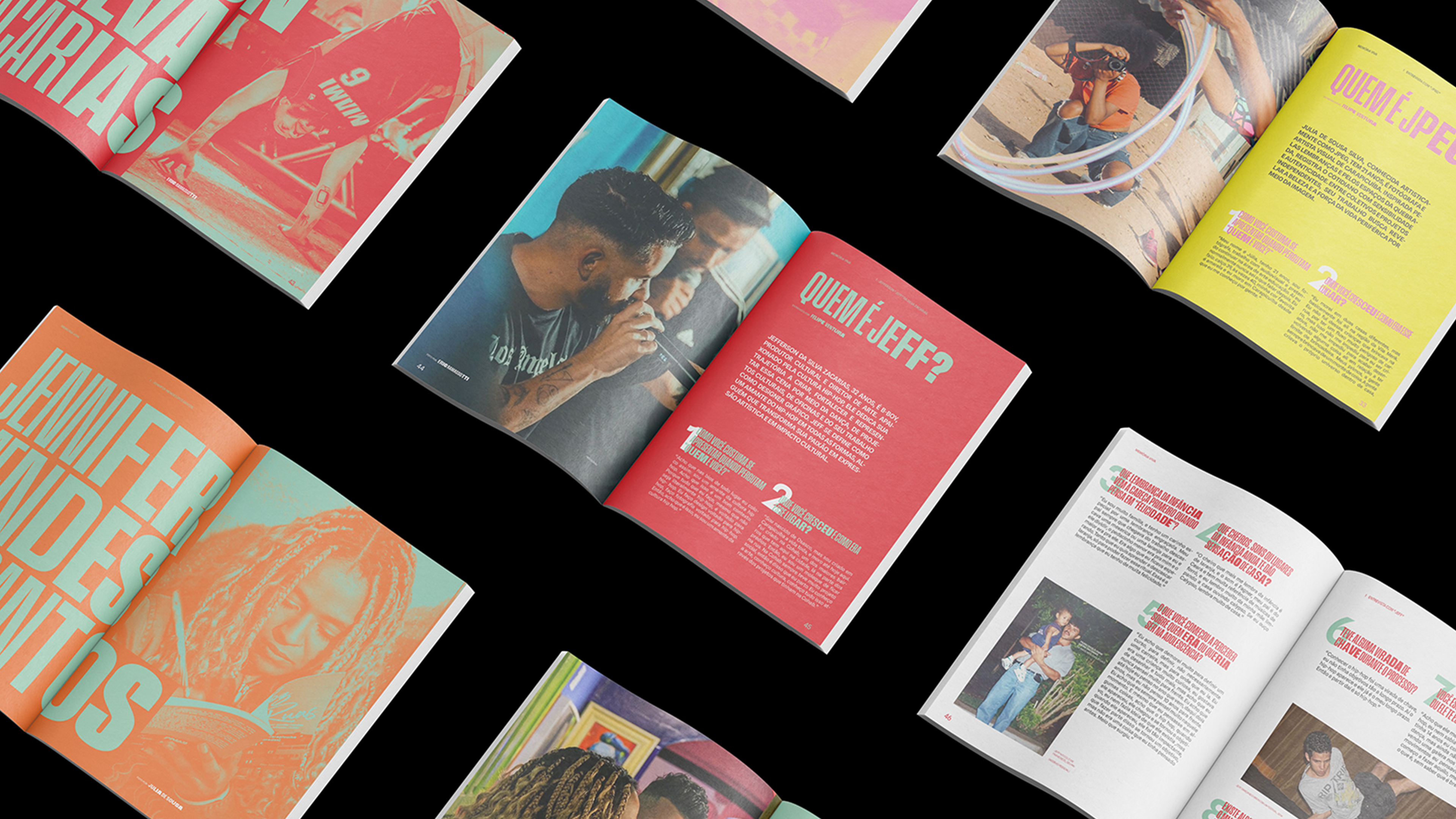
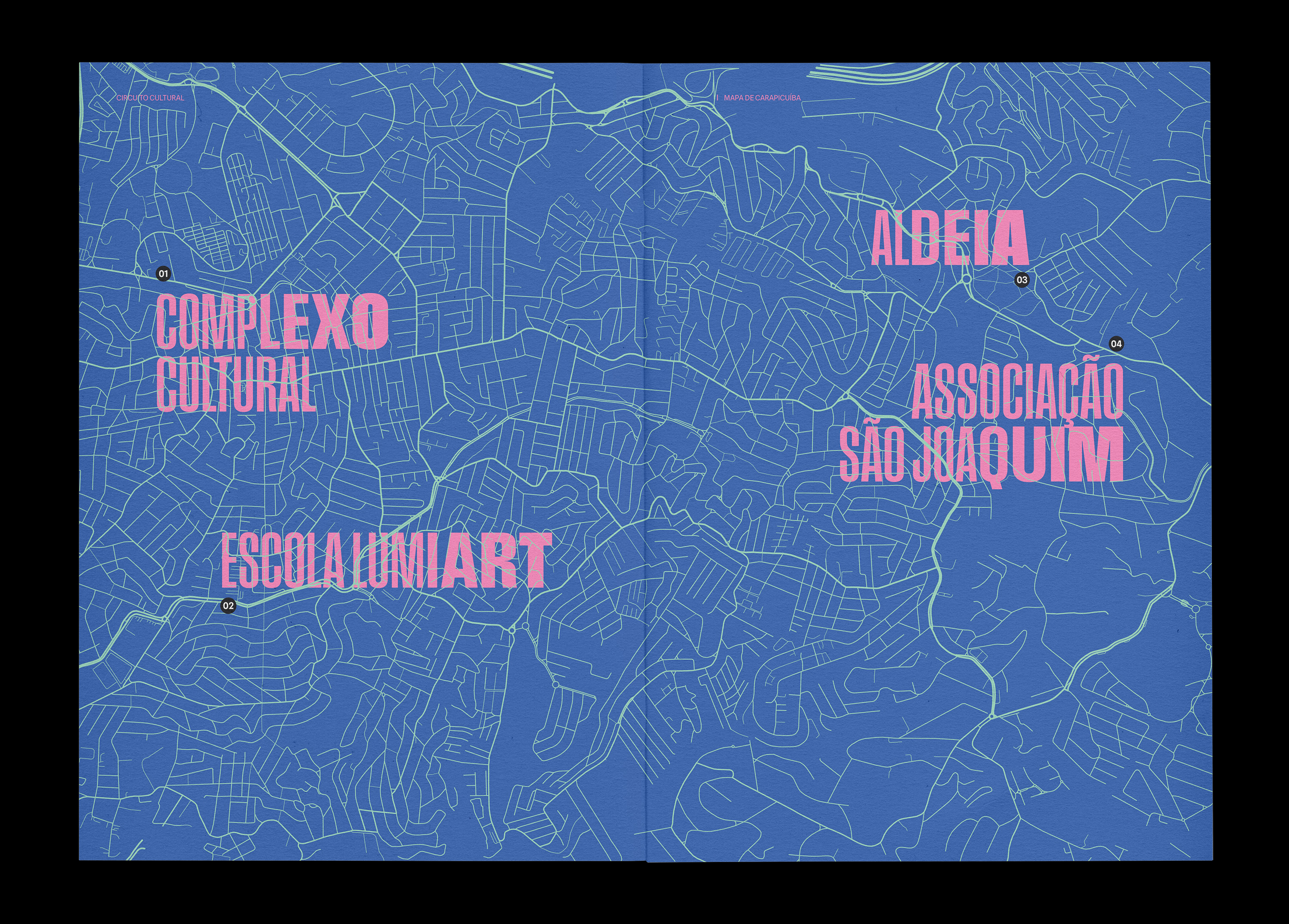
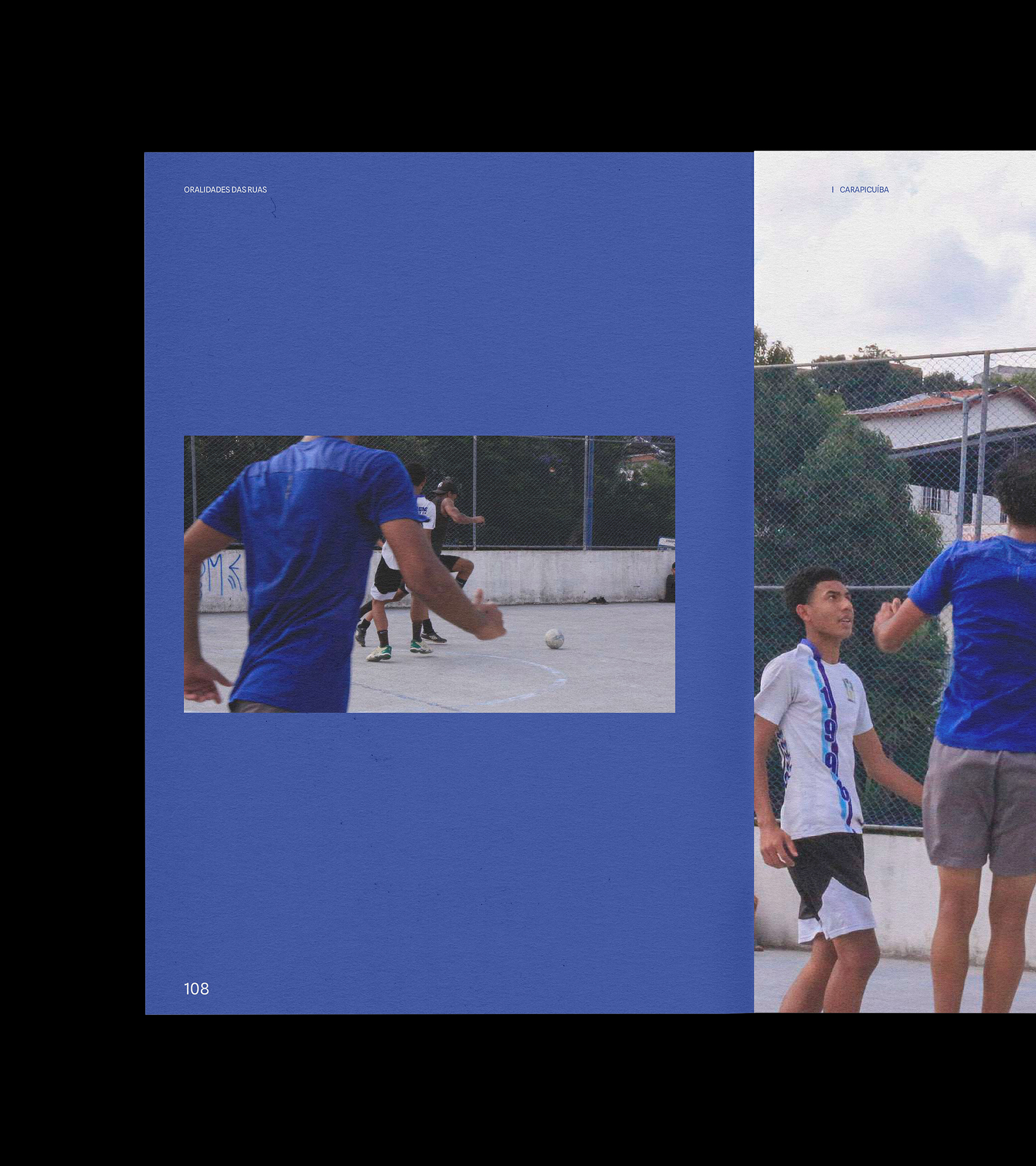
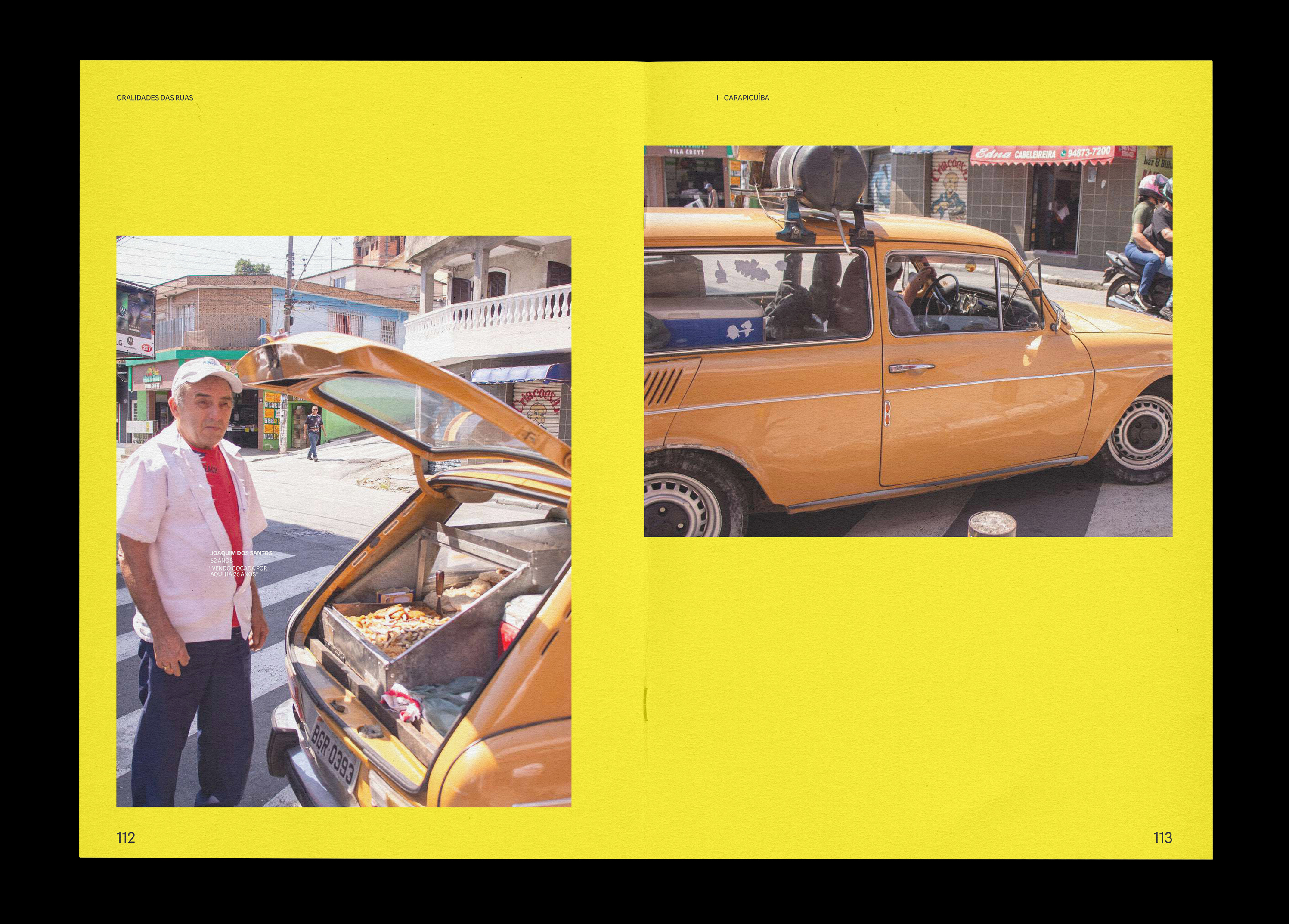
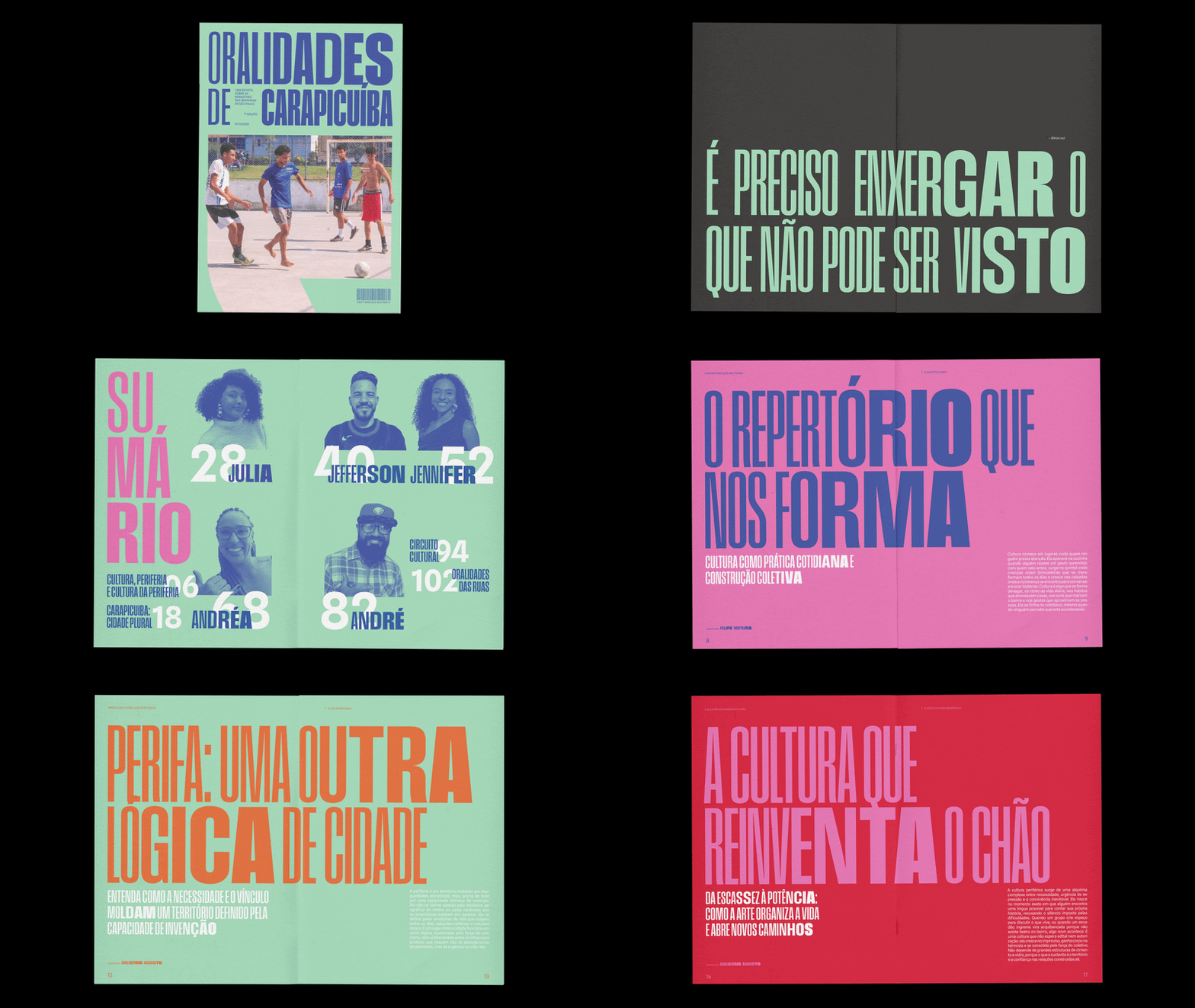
Foto del proyecto en .PNG o .JPG con resolución no menor a 72dpi
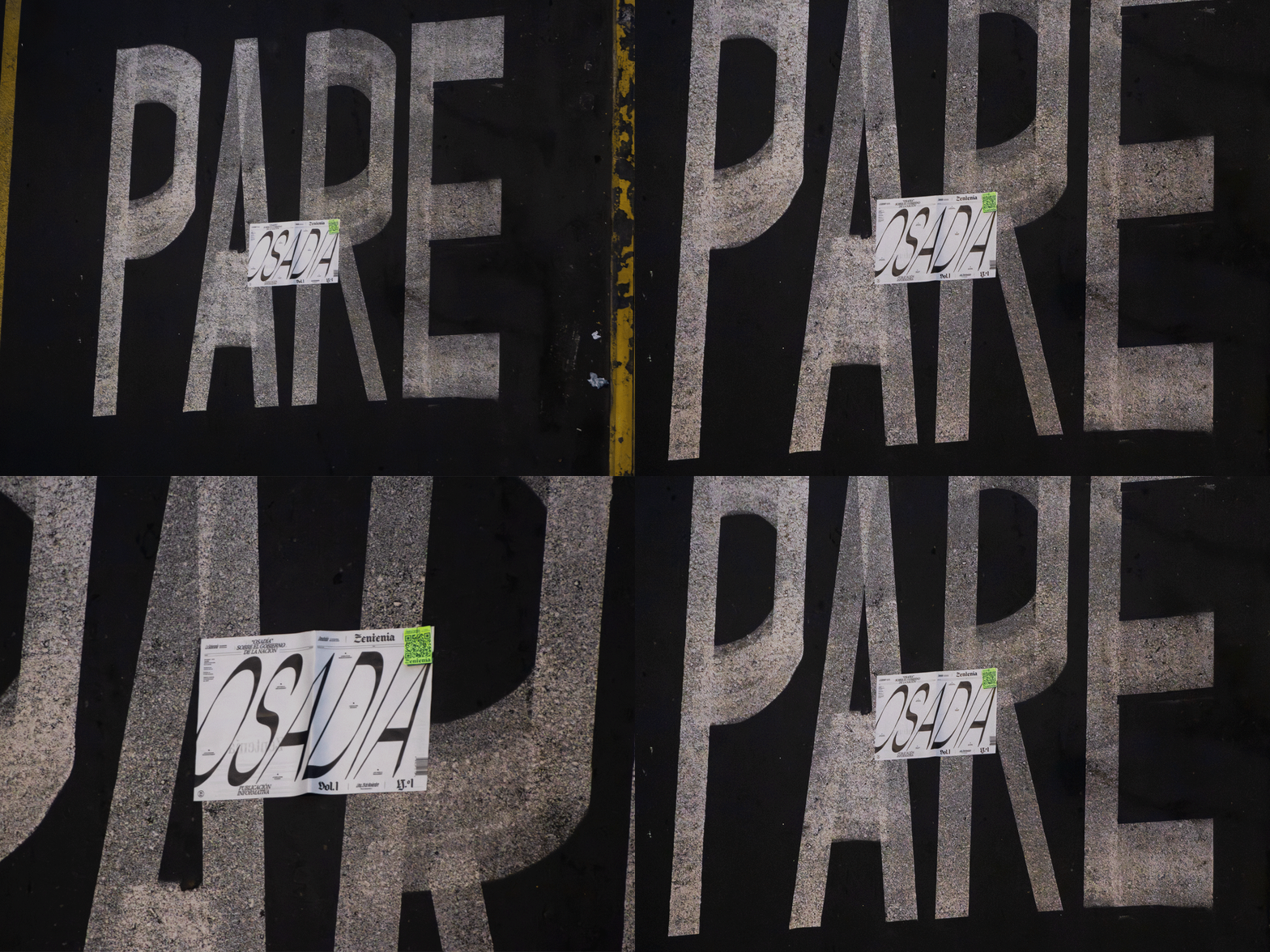
Foto del proyecto en .PNG o .JPG con resolución no menor a 72dpi
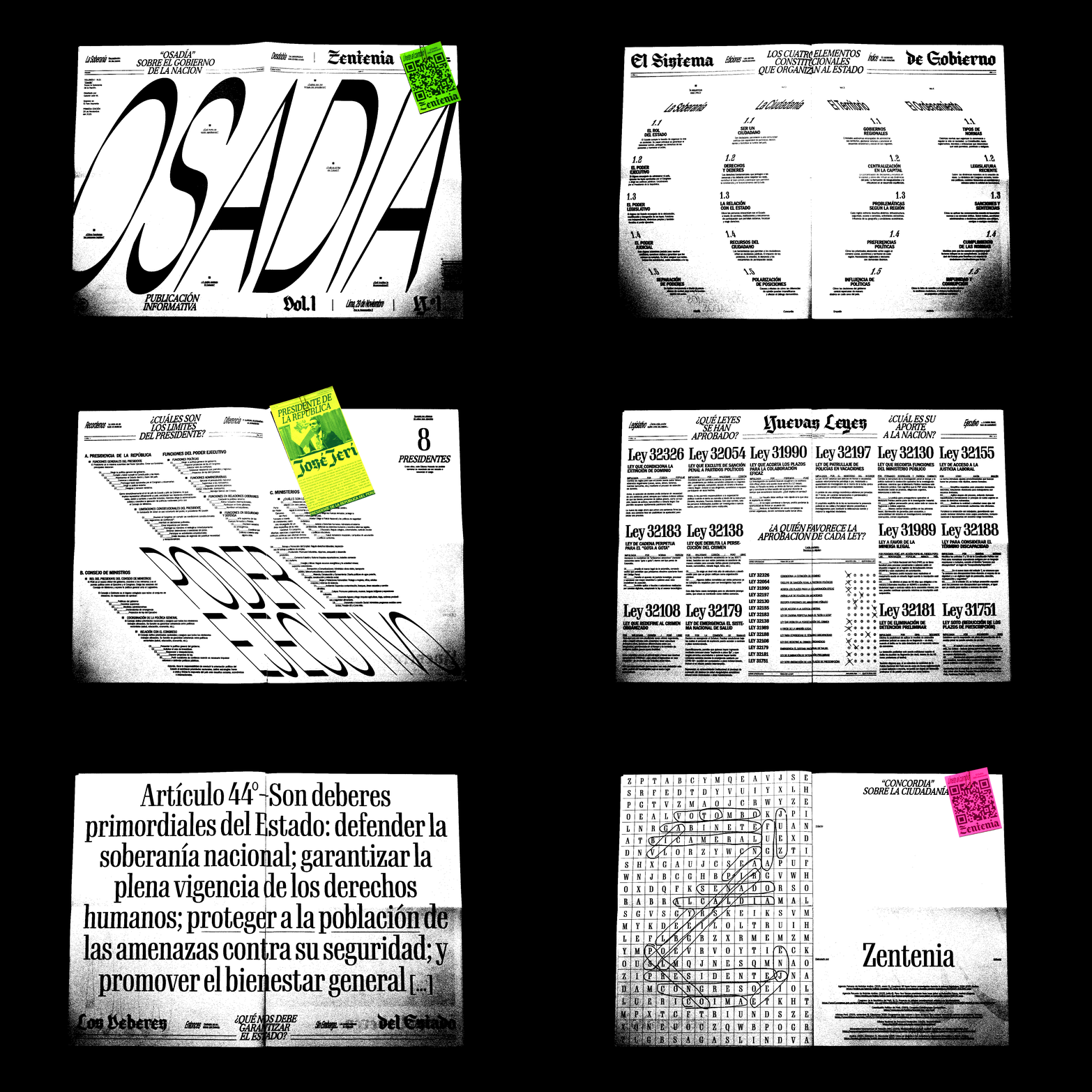
Foto del proyecto en .PNG o .JPG con resolución no menor a 72dpi
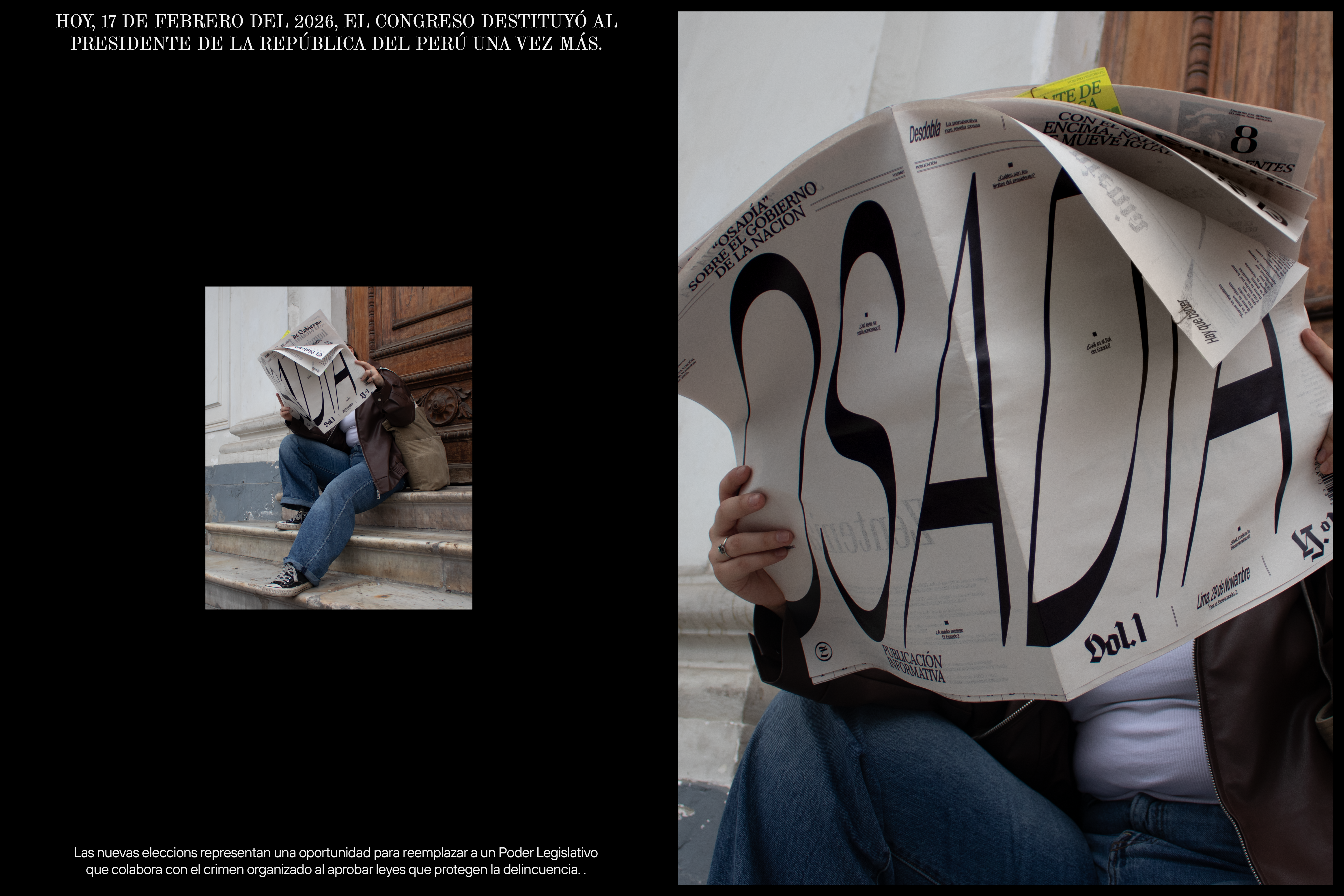
Foto del proyecto en .PNG o .JPG con resolución no menor a 72dpi
Algún archivo adicional que quieras compartirnos puede ser en .PNG, .JPG, PDF, entre otros.
Algún archivo adicional que quieras compartirnos puede ser en .PNG, .JPG, PDF, entre otros.
Algún archivo adicional que quieras compartirnos puede ser en .PNG, .JPG, PDF, entre otros.
Algún archivo adicional que quieras compartirnos puede ser en .PNG, .JPG, PDF, entre otros.
Algún archivo adicional que quieras compartirnos en video.
Algún archivo adicional que quieras compartirnos en video.
Descripción del proyecto en INGLÉS
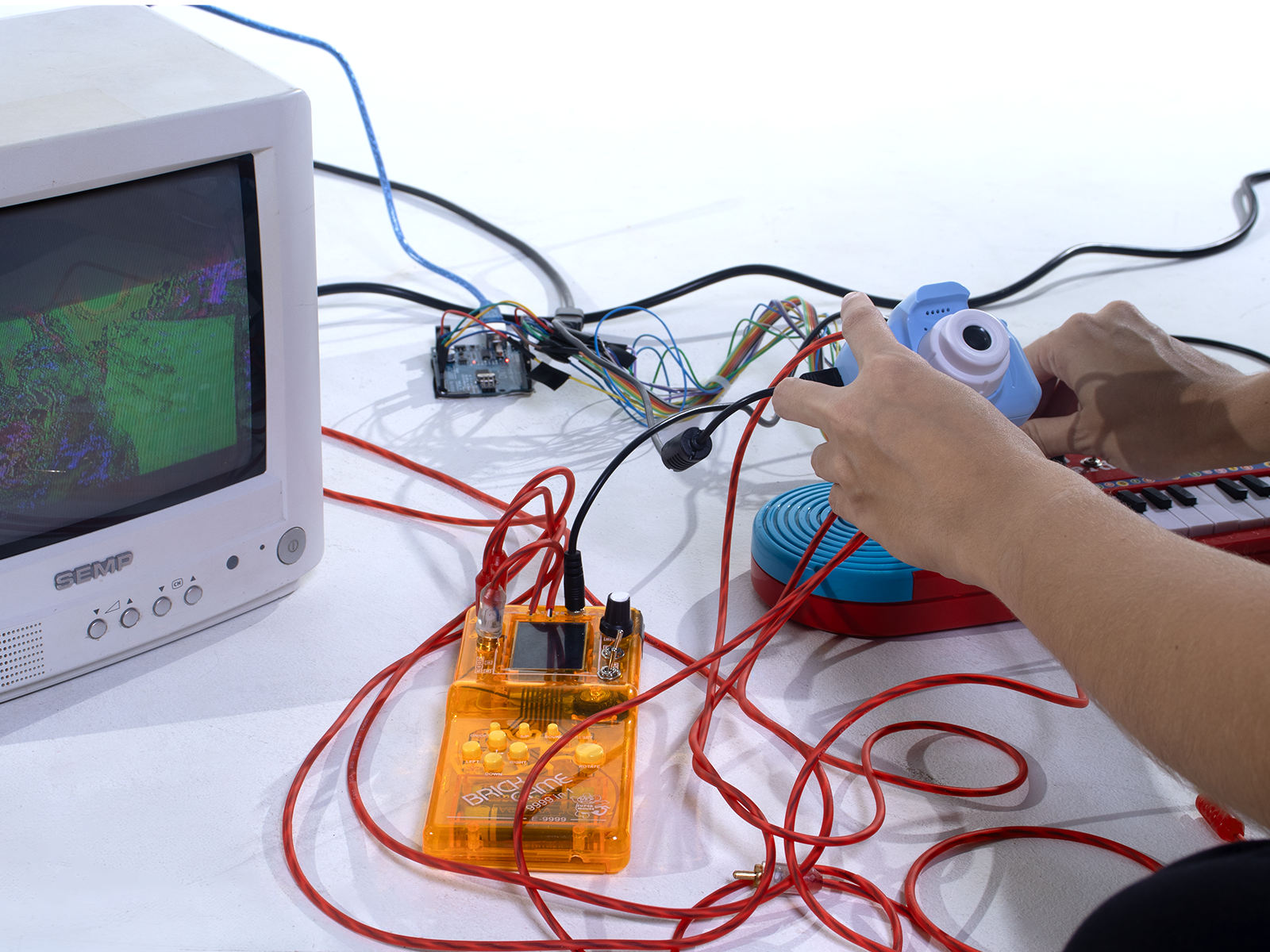
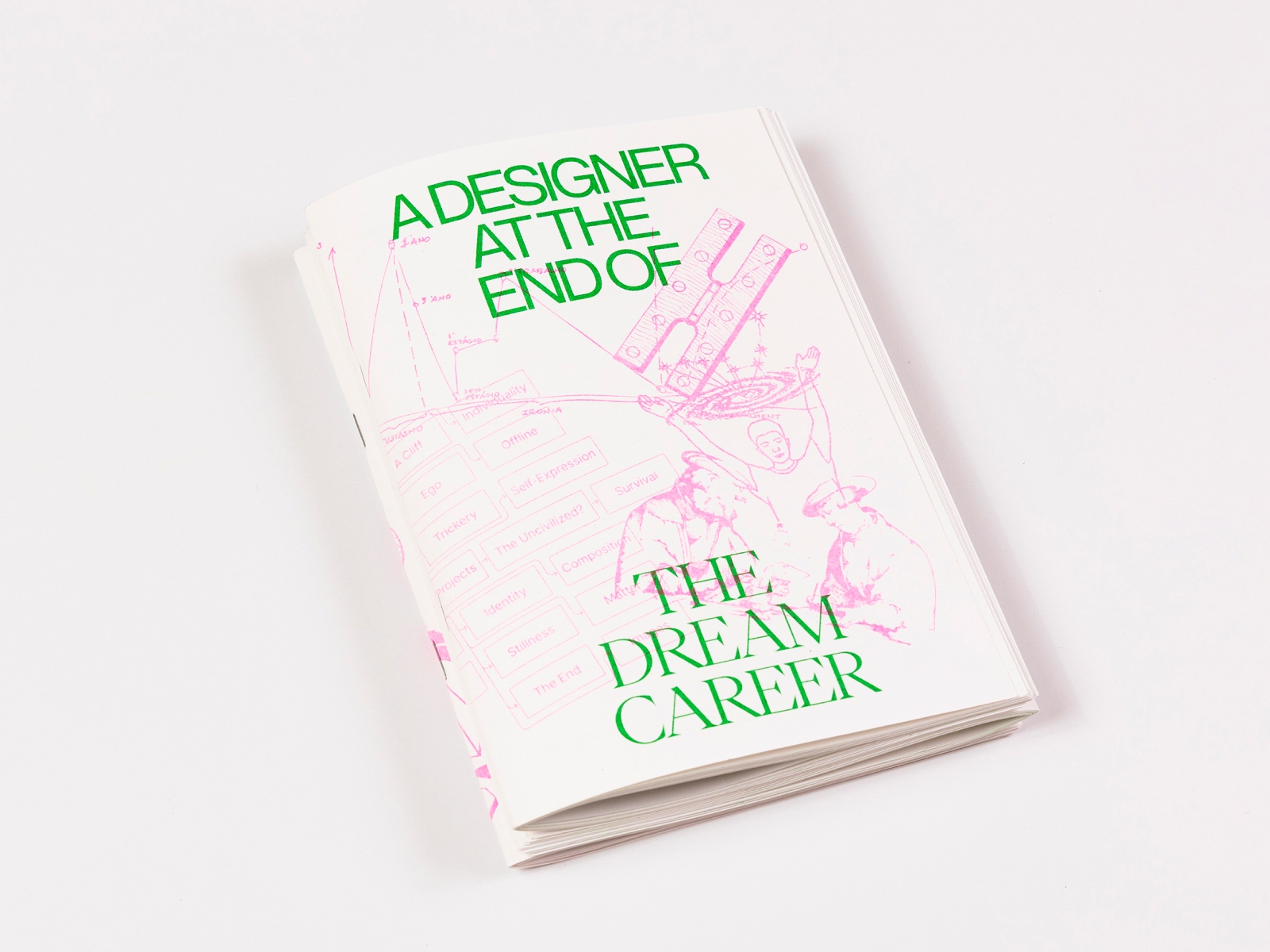
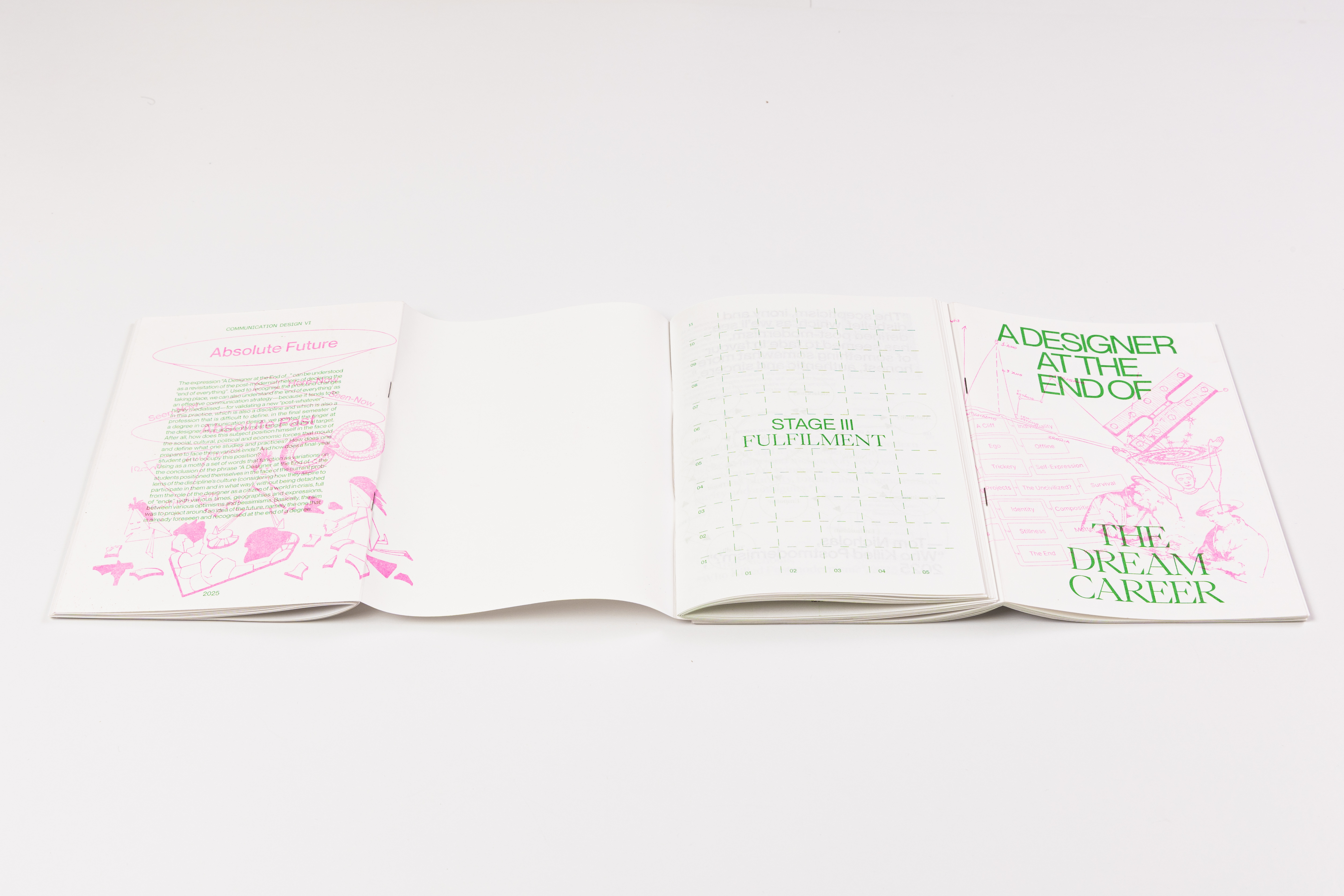
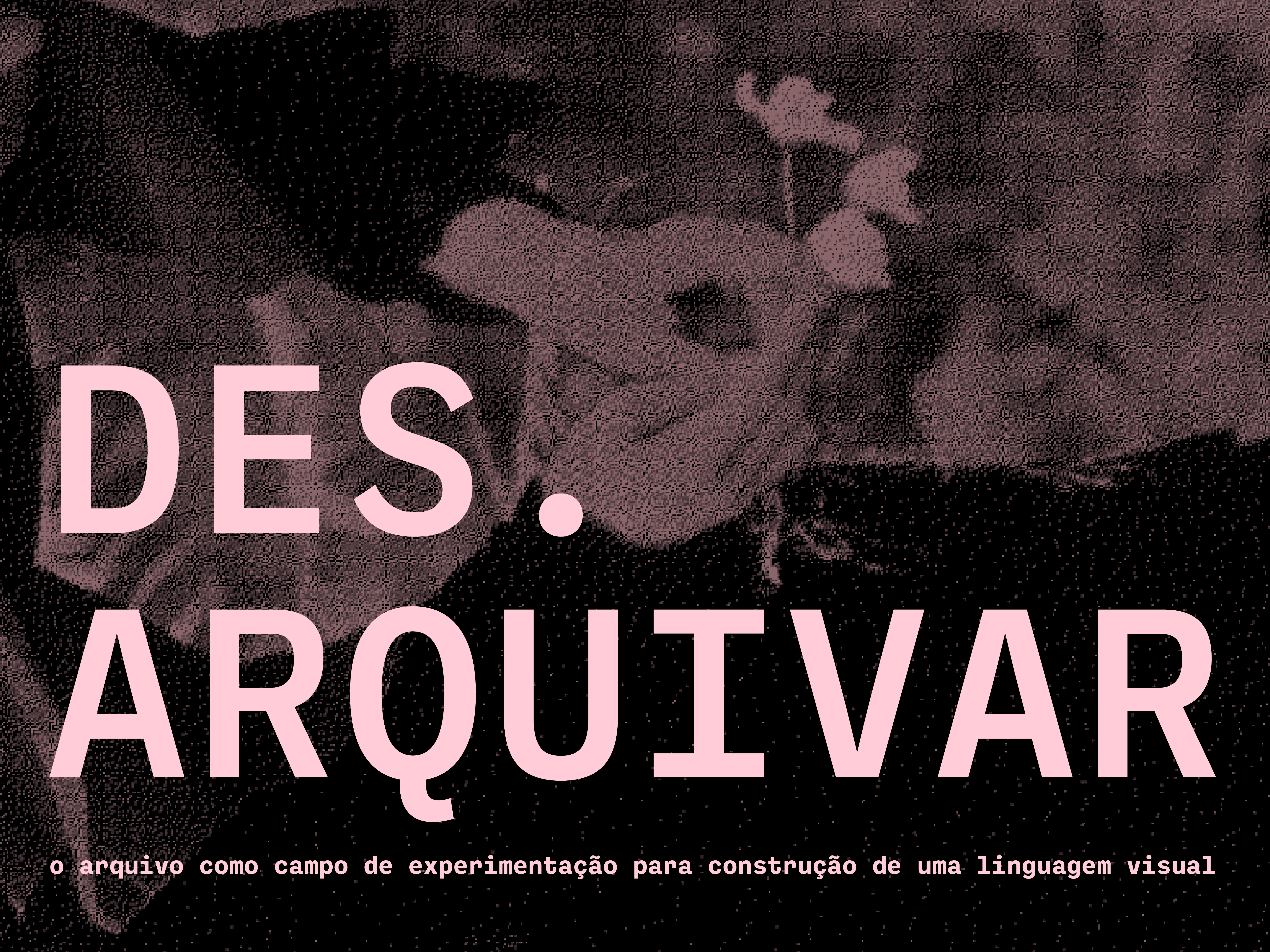
DES.ARQUIVAR is an artistic project that investigates the archive as an expanded field of creation, memory, and visual experimentation. Through encounters with domestic archives—objects, papers, photographs, documents, and analog and digital records preserved over time—the project proposes rethinking the archive not as a fixed set, but as a living system capable of being reactivated in the present.
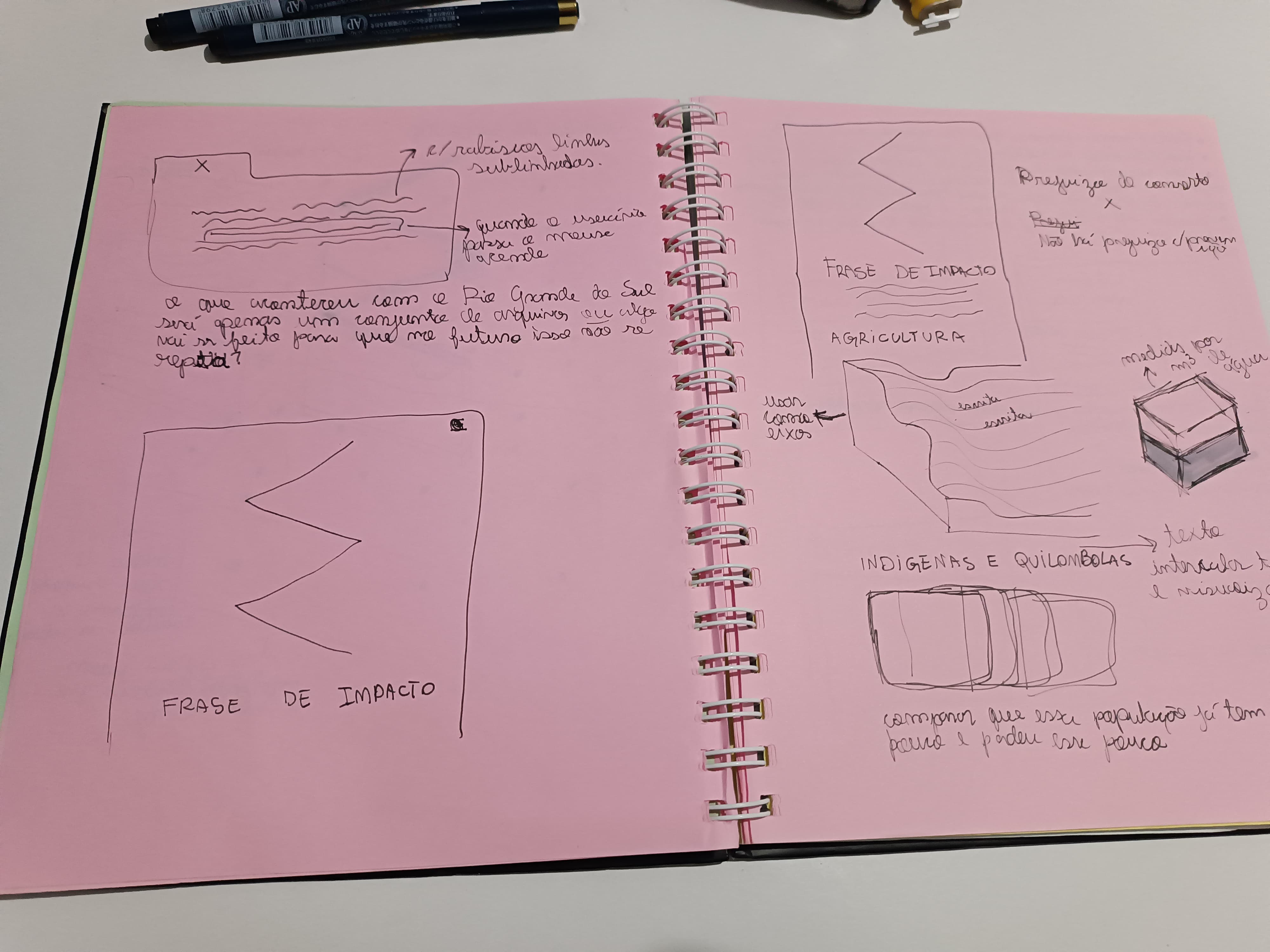
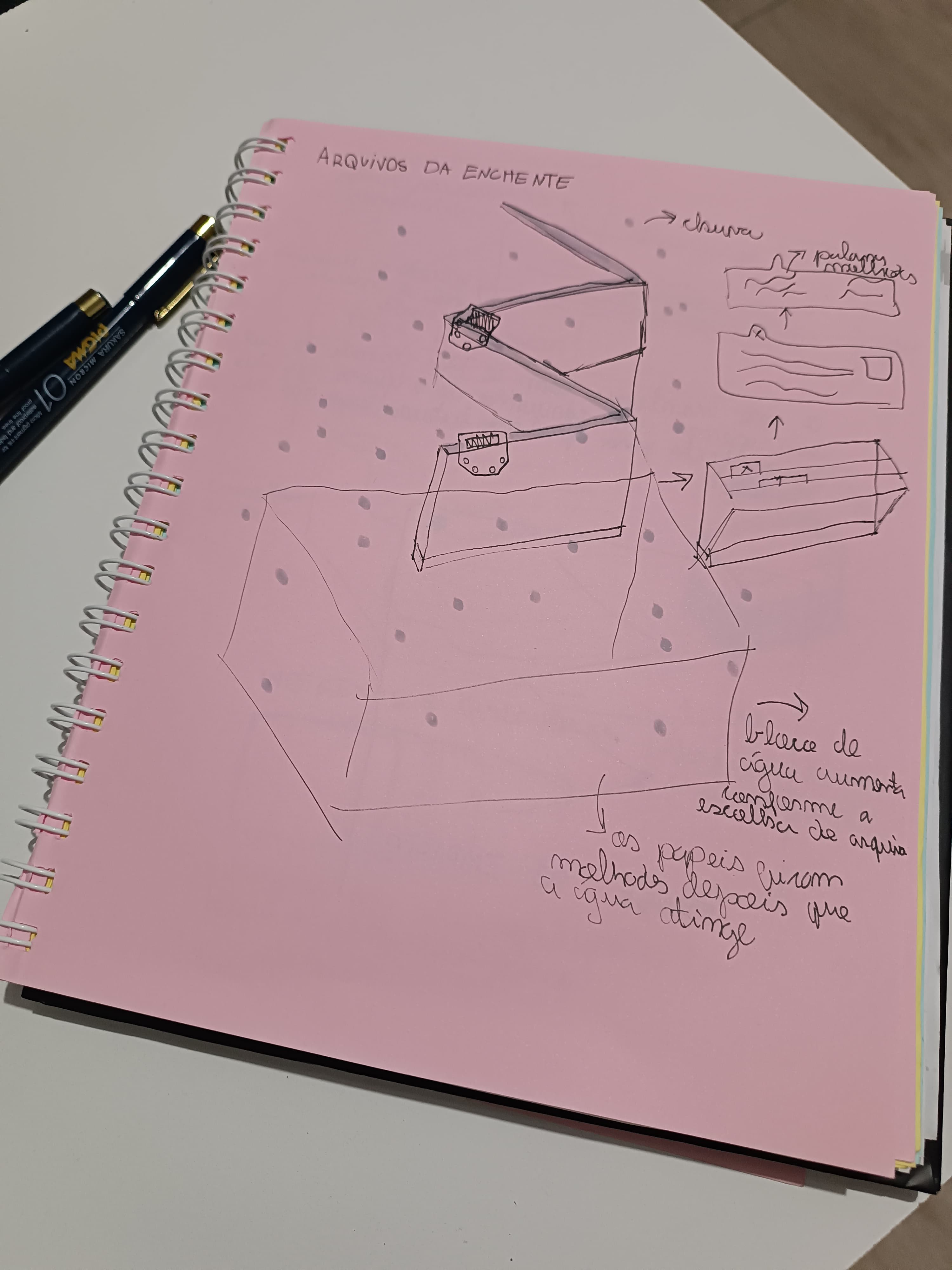
The objective is to develop an authorial visual language from the encounter with what has been kept, valuing process as a central element and attention to everyday life. To achieve this, processes of collecting, scanning, classifying, and experimentation with collage, printing, and video were carried out, articulated with theoretical research on memory, image, and time.
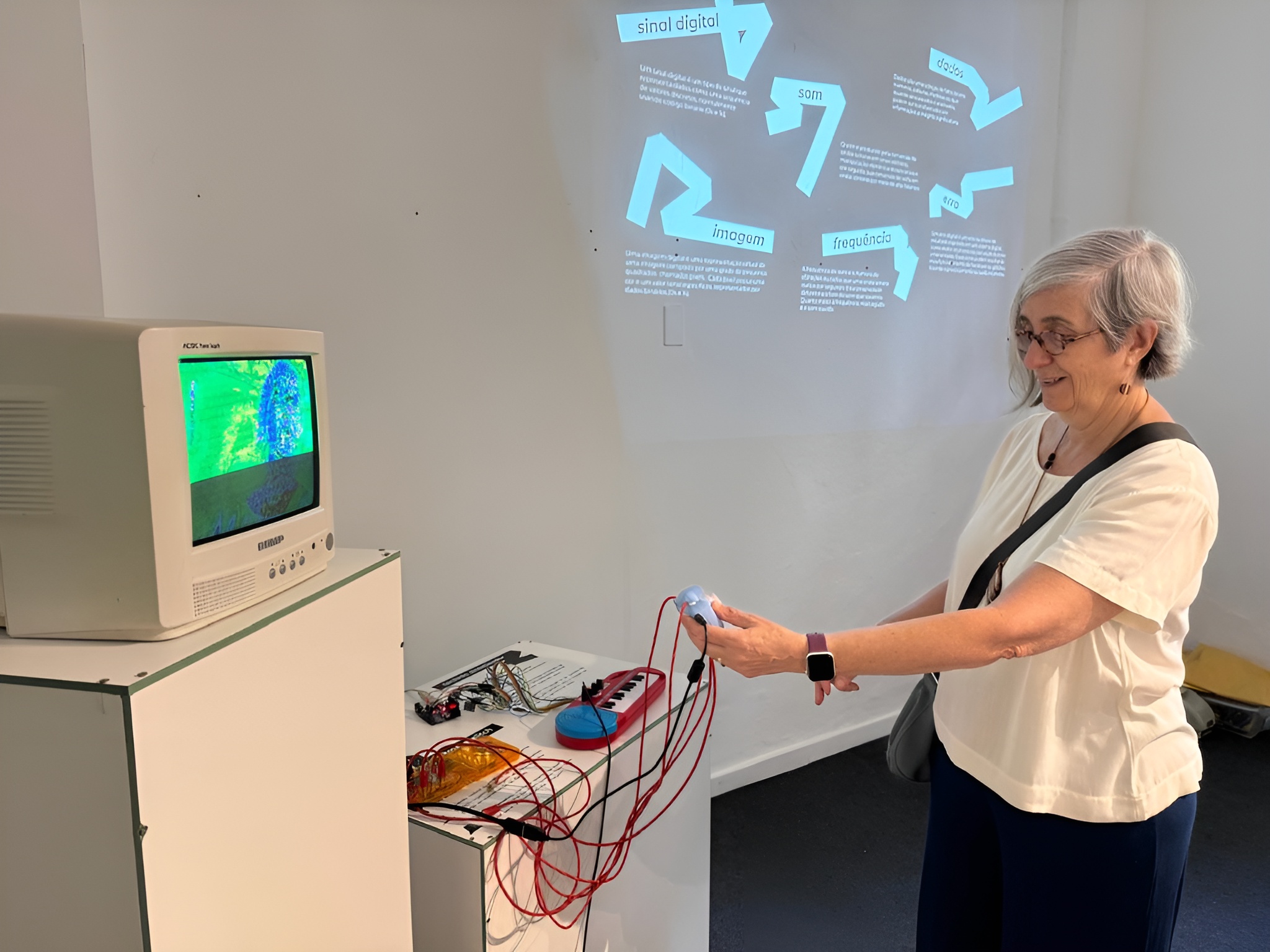
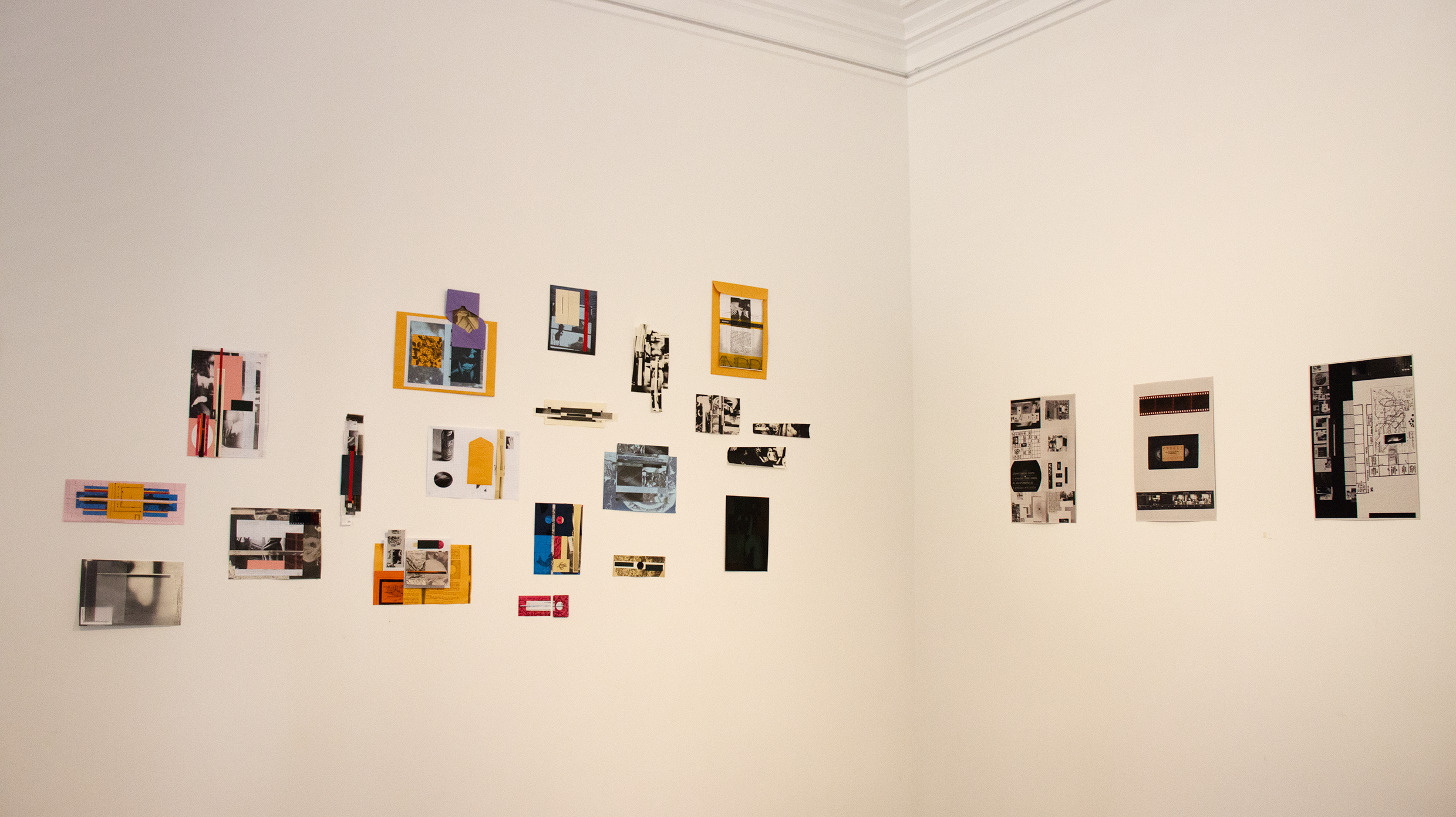
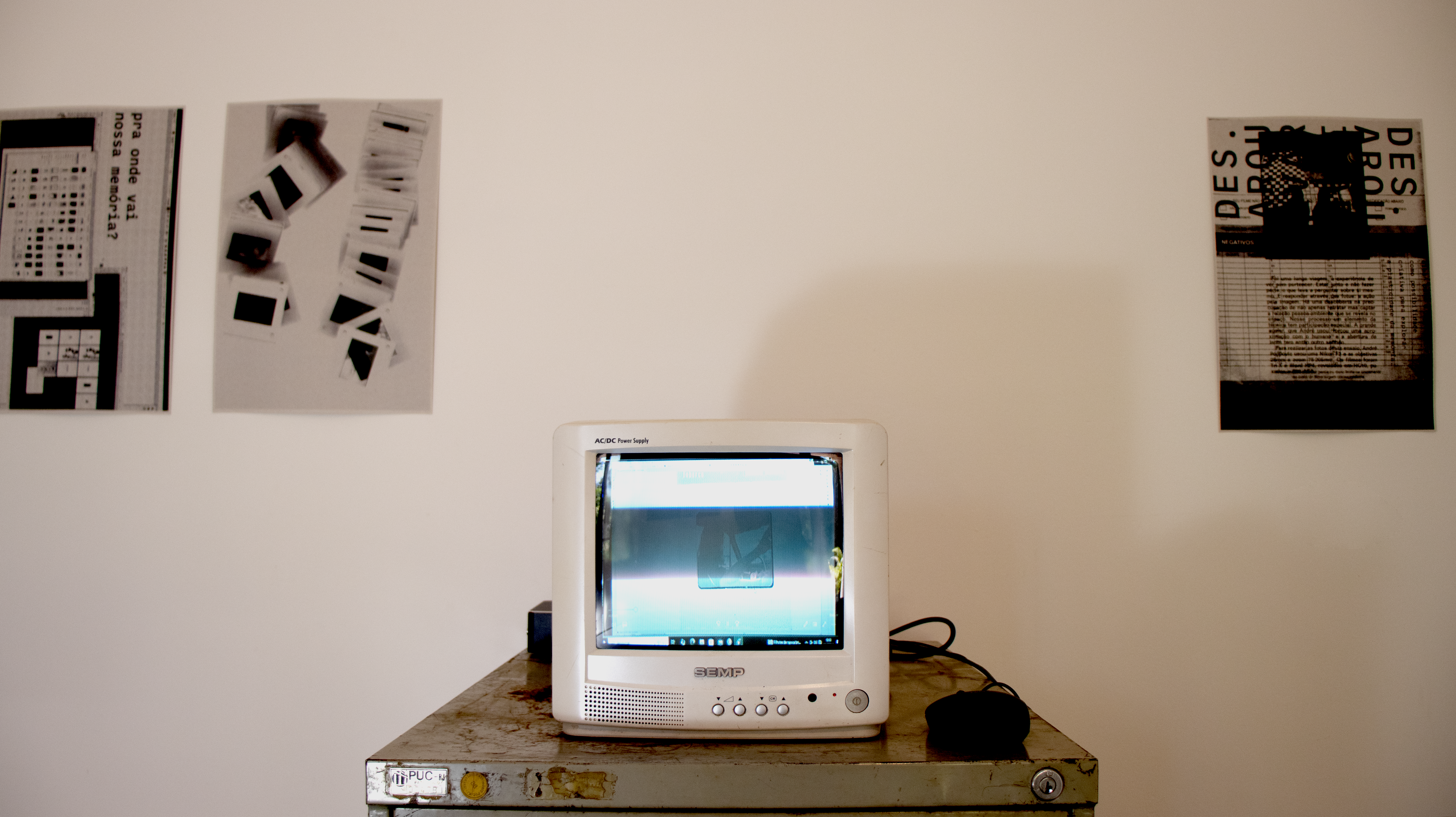
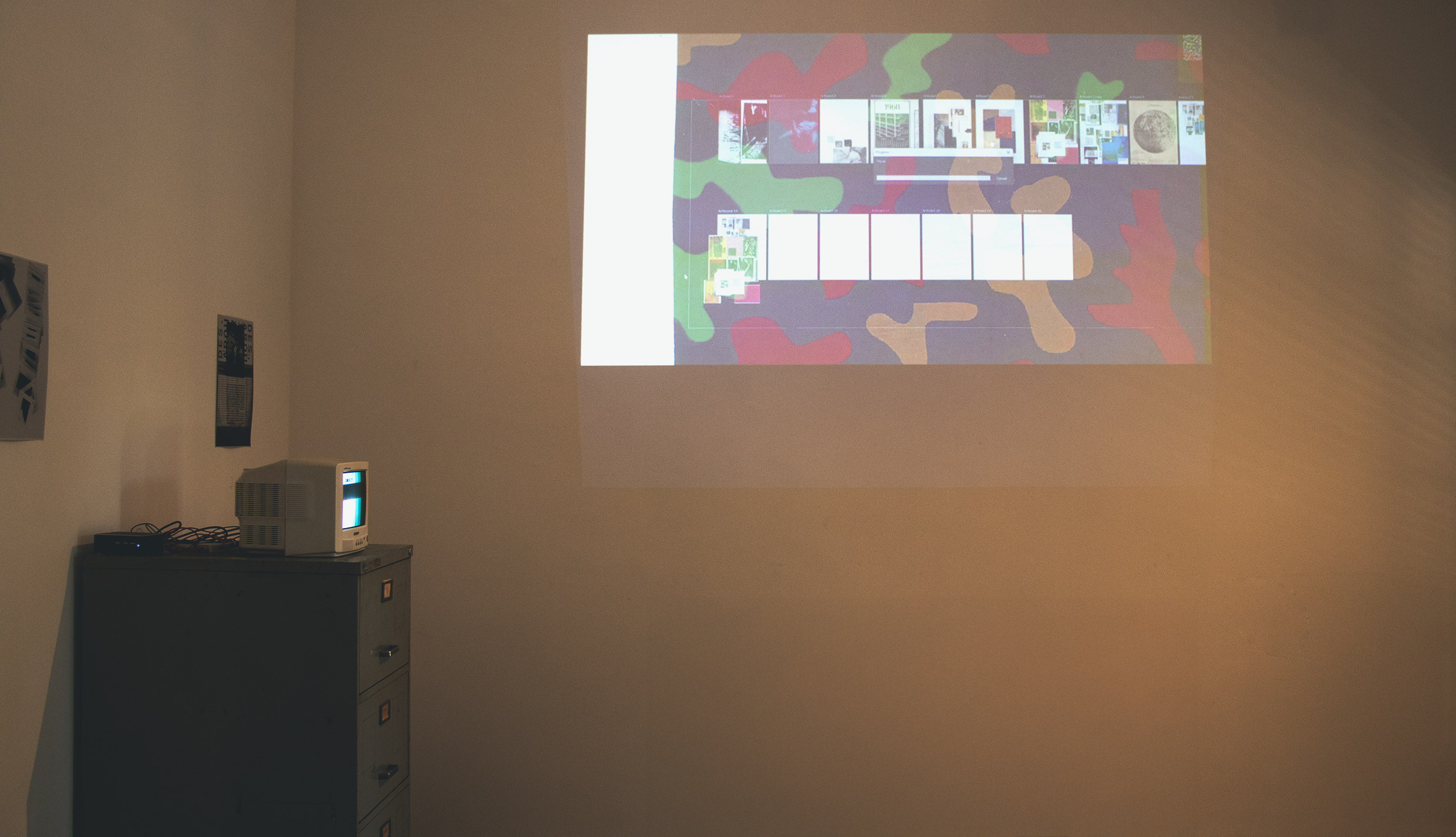
The result materializes in an installation that brings together images, objects, and projections, inviting the public to experience the archive as a space of continuous transformation, as life itself.
Contexto cultural / problemática del proyecto en INGLÉS
DES.ARQUIVAR emerges from an interest in developing a visual language as a form of authorial expression, starting from the banal, the ordinary, and what is usually forgotten. Within a cultural context marked by the acceleration of time, the saturation of images, and the fragility of both individual and collective memory, the project proposes a re-reading of personal archives as material for creation and reflection.
More than an investigation of the archive as a theme, the project is conceived as an existential, artistic, and philosophical exploration. By valuing domestic archives, it questions where our memory goes, what we choose to preserve, and what is lost in this process. The project resignifies materials that originally lack symbolic or aesthetic value, transforming them into a creative visual system.
The proposal also responds to the need to rethink the act of archiving not only as a functional or accumulative action, but as a conscious, almost archaeological gesture. Through processes of collecting, organizing, scanning, classifying, and visual experimentation, the project emphasizes the process itself as a fundamental part of the work, revealing time, care, and attention to everyday life.
Developed using accessible resources and personal archives, the work materializes through languages such as photography, collage, printmaking, and video, resulting in an installation that brings together images, objects, and projections. In this context, the archive ceases to be an end in itself and becomes a living field of transformation, creation, and permanence, much like life itself.
Solución del proyecto en INGLÉS
The project’s solution is based on a strategy that activates personal and domestic archives as material for artistic creation, addressing the need to rethink everyday records in a context marked by image saturation and the fragility of contemporary memory. The approach transforms banal and overlooked materials into a field of visual experimentation, understanding the archive as a dynamic and reconfigurable system.
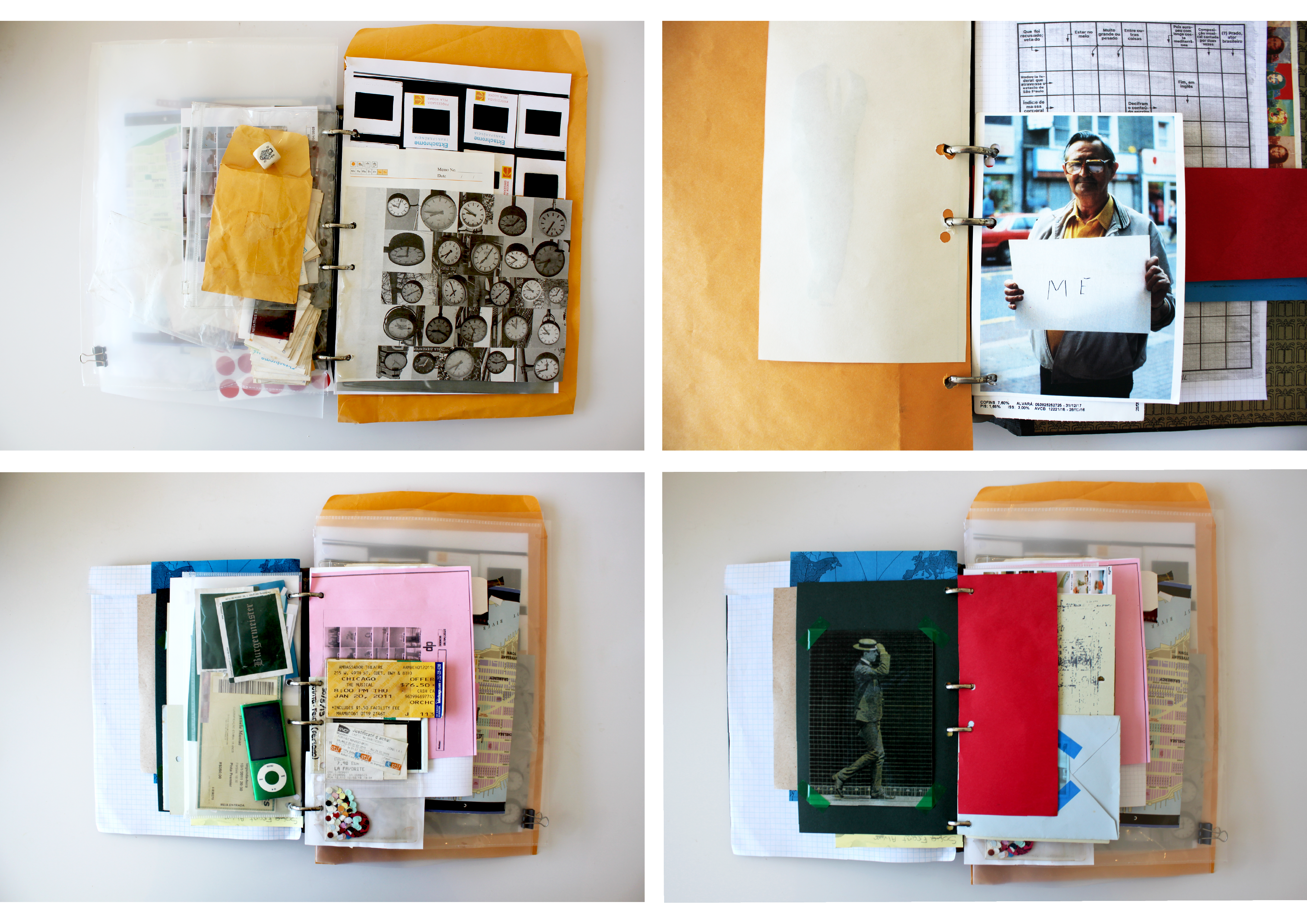
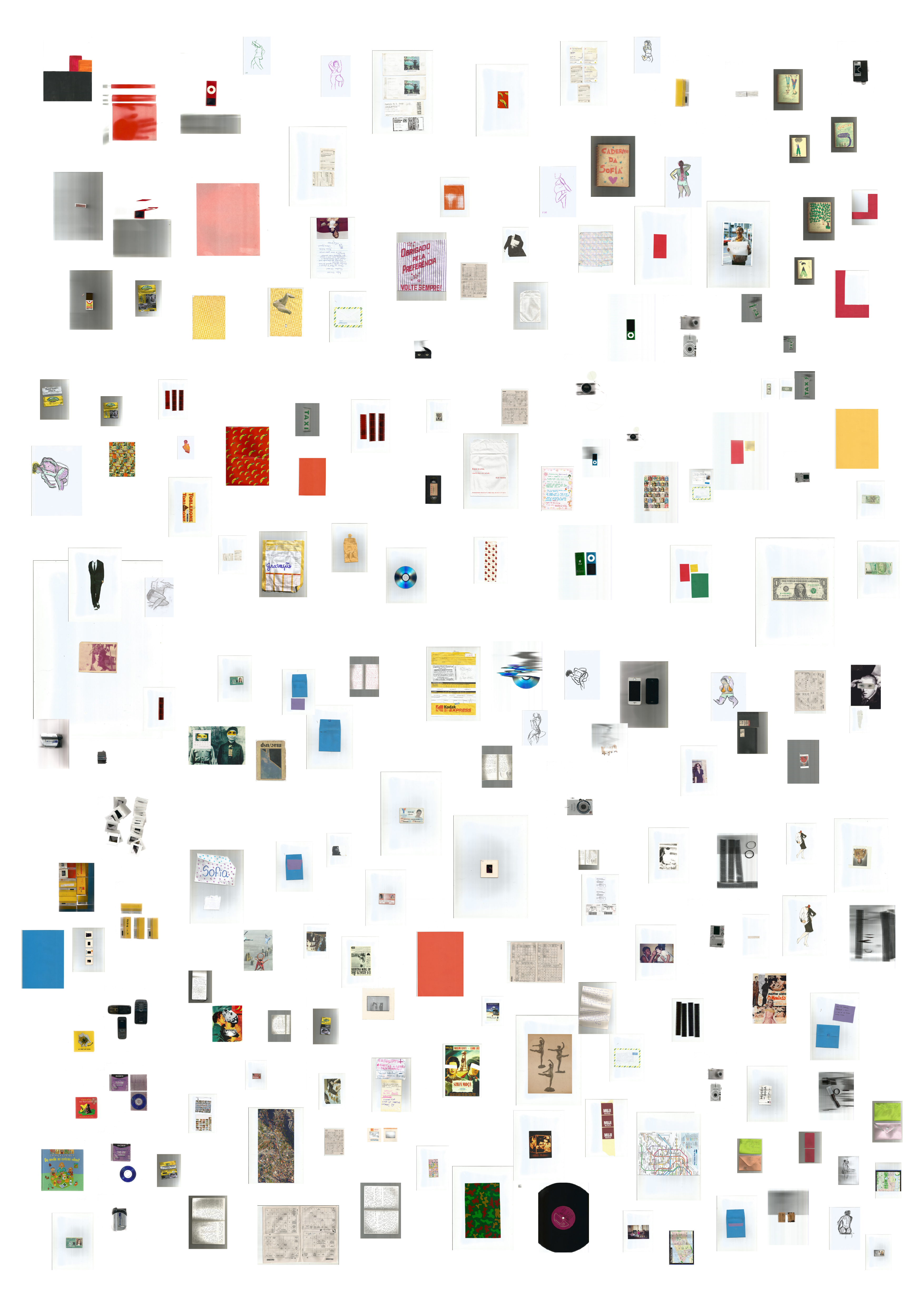
The methodology combines structured actions of collecting, observing, selecting, and reorganizing materials such as photographs, objects, documents, and fragments of memory. These materials are activated through analog and digital processes, including scanning, photography, collage, printing, and video editing. The process itself is treated as a central component of the project, reinforcing time, care, and attention to everyday life as essential values.
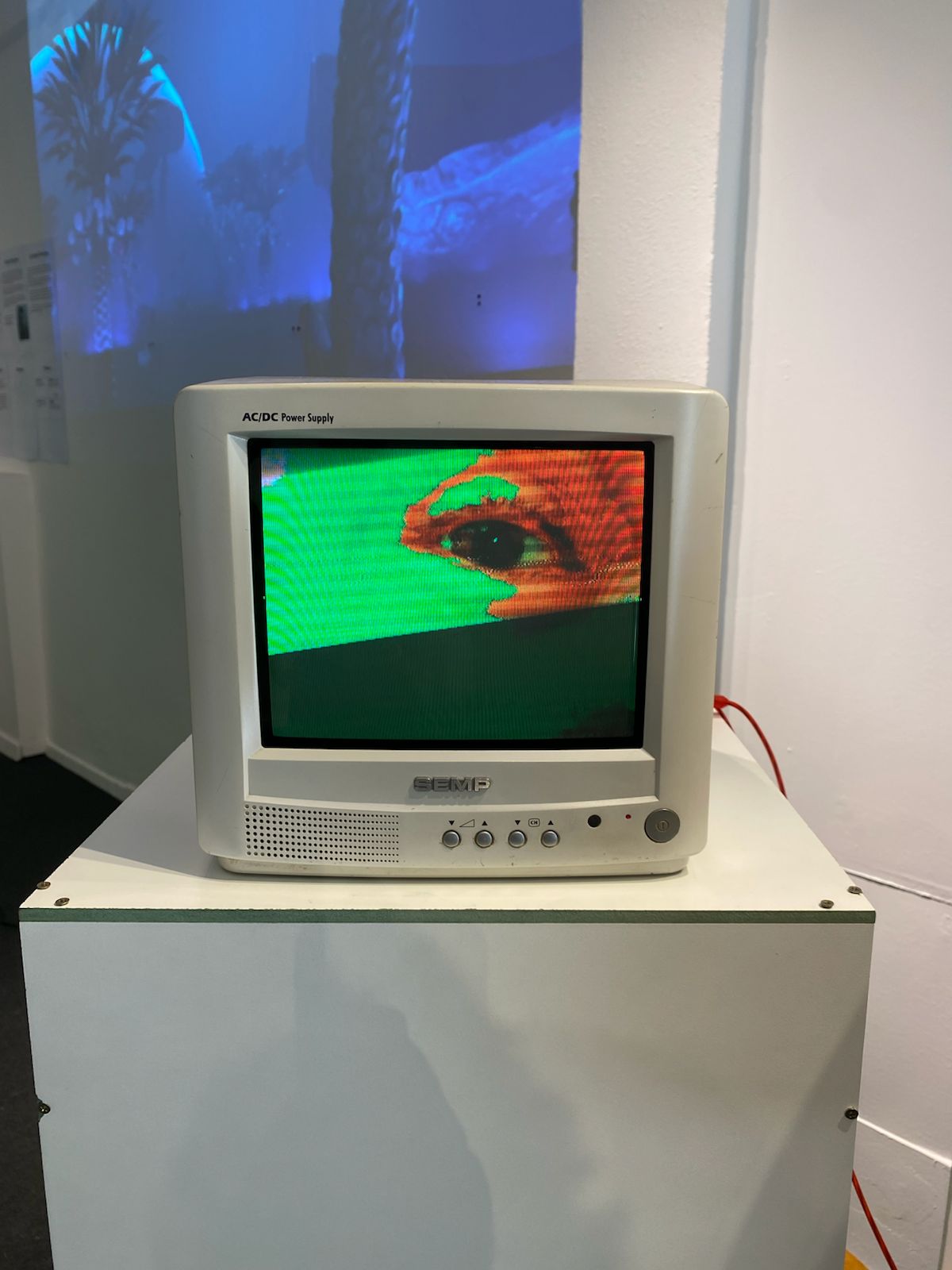
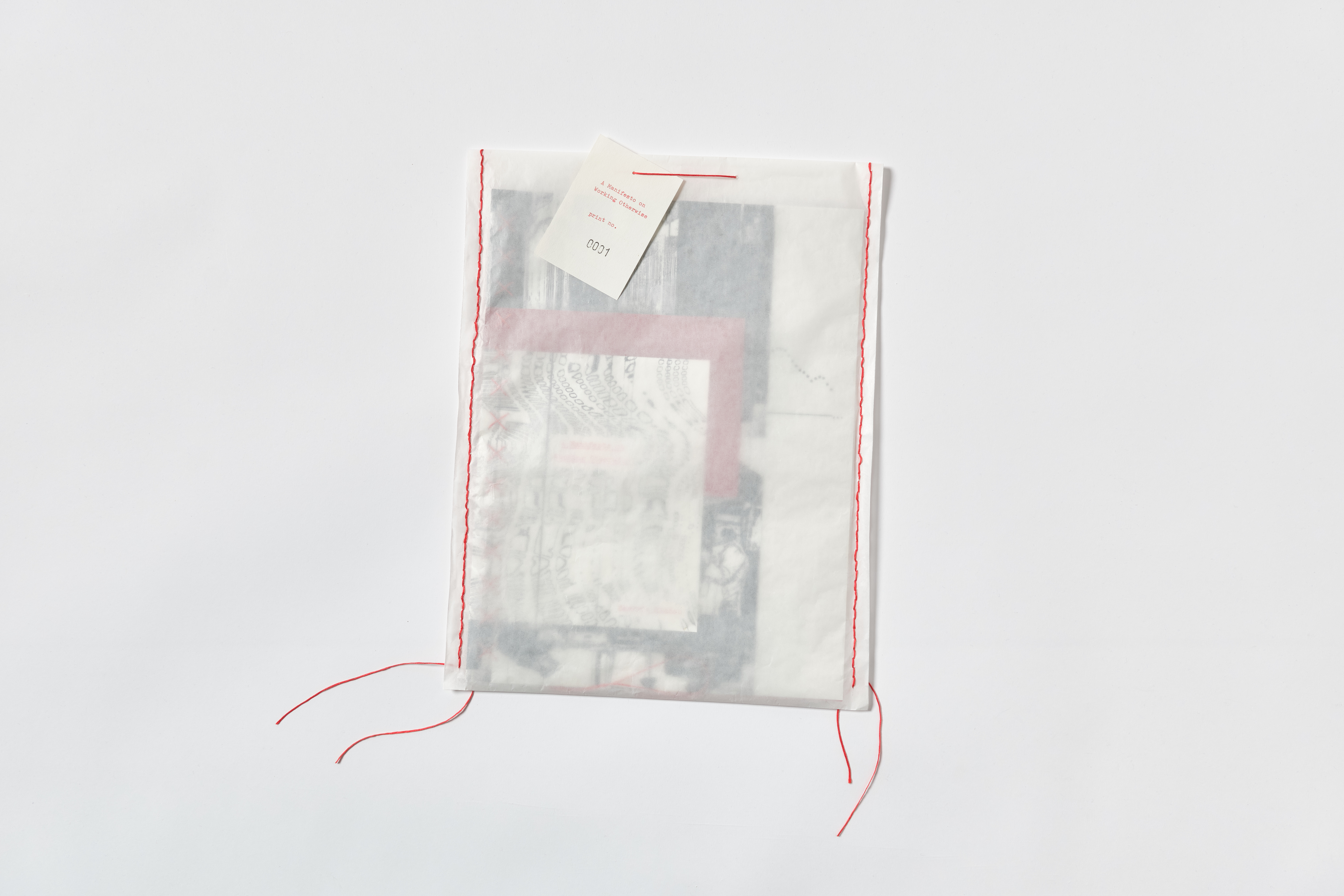
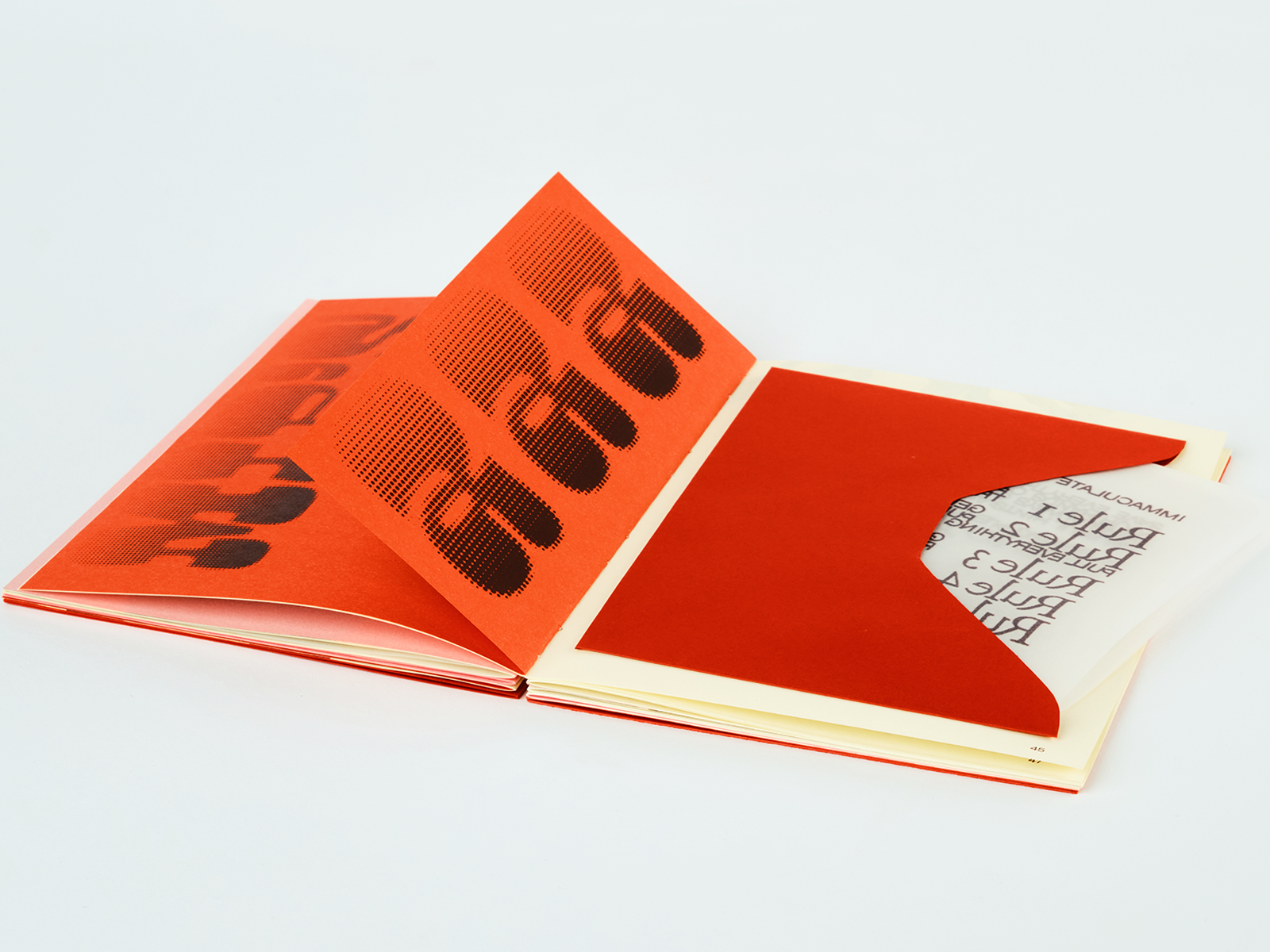
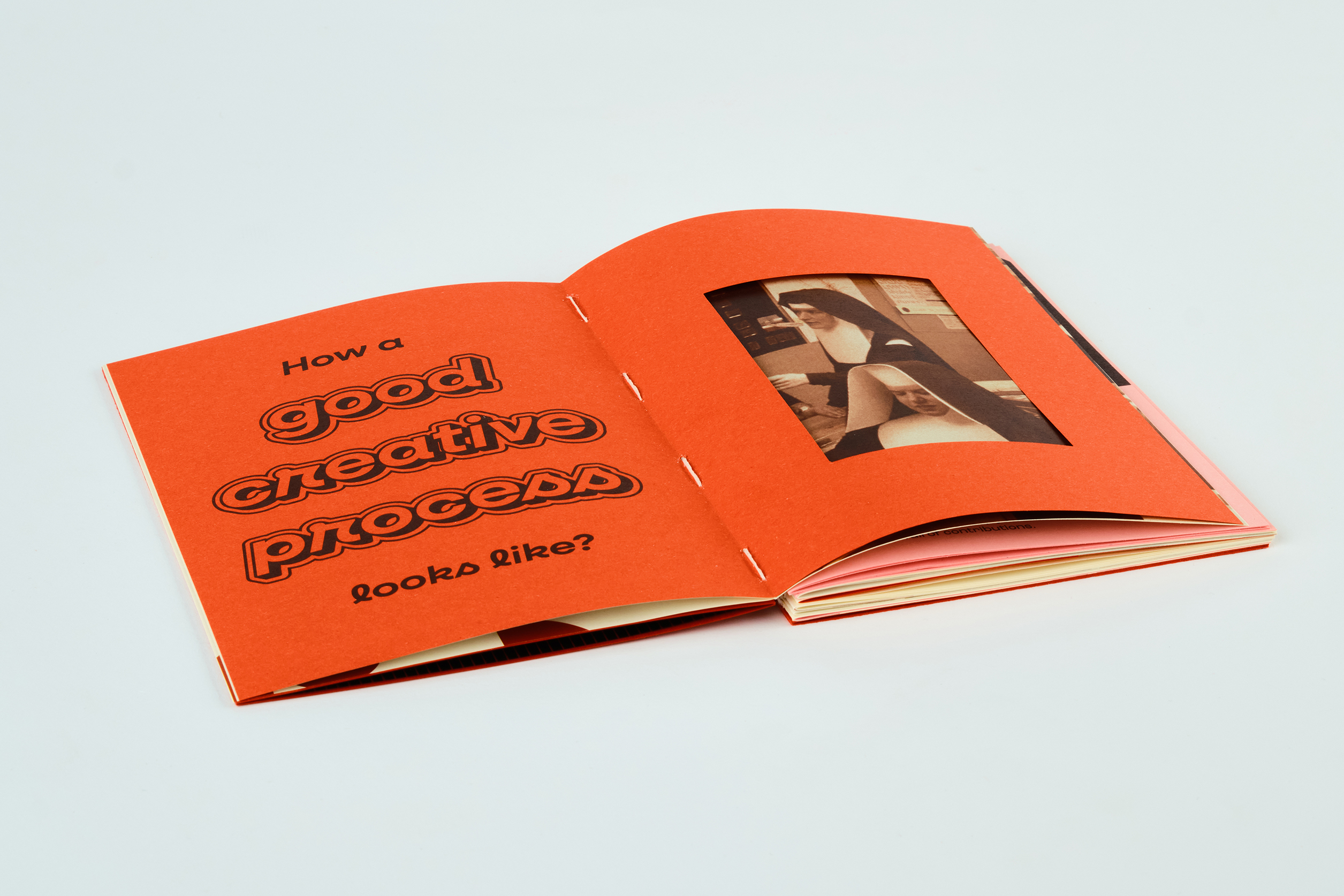
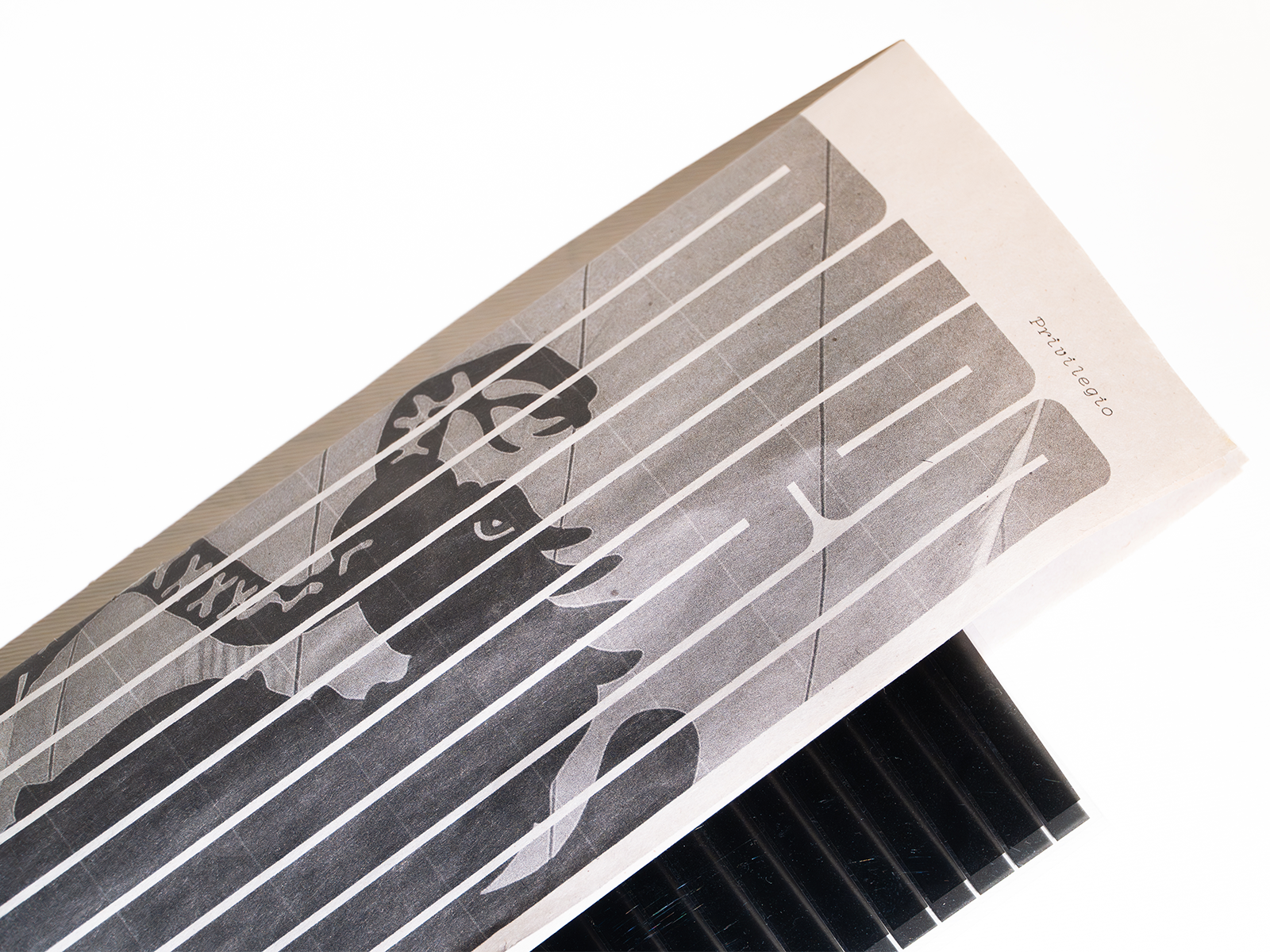
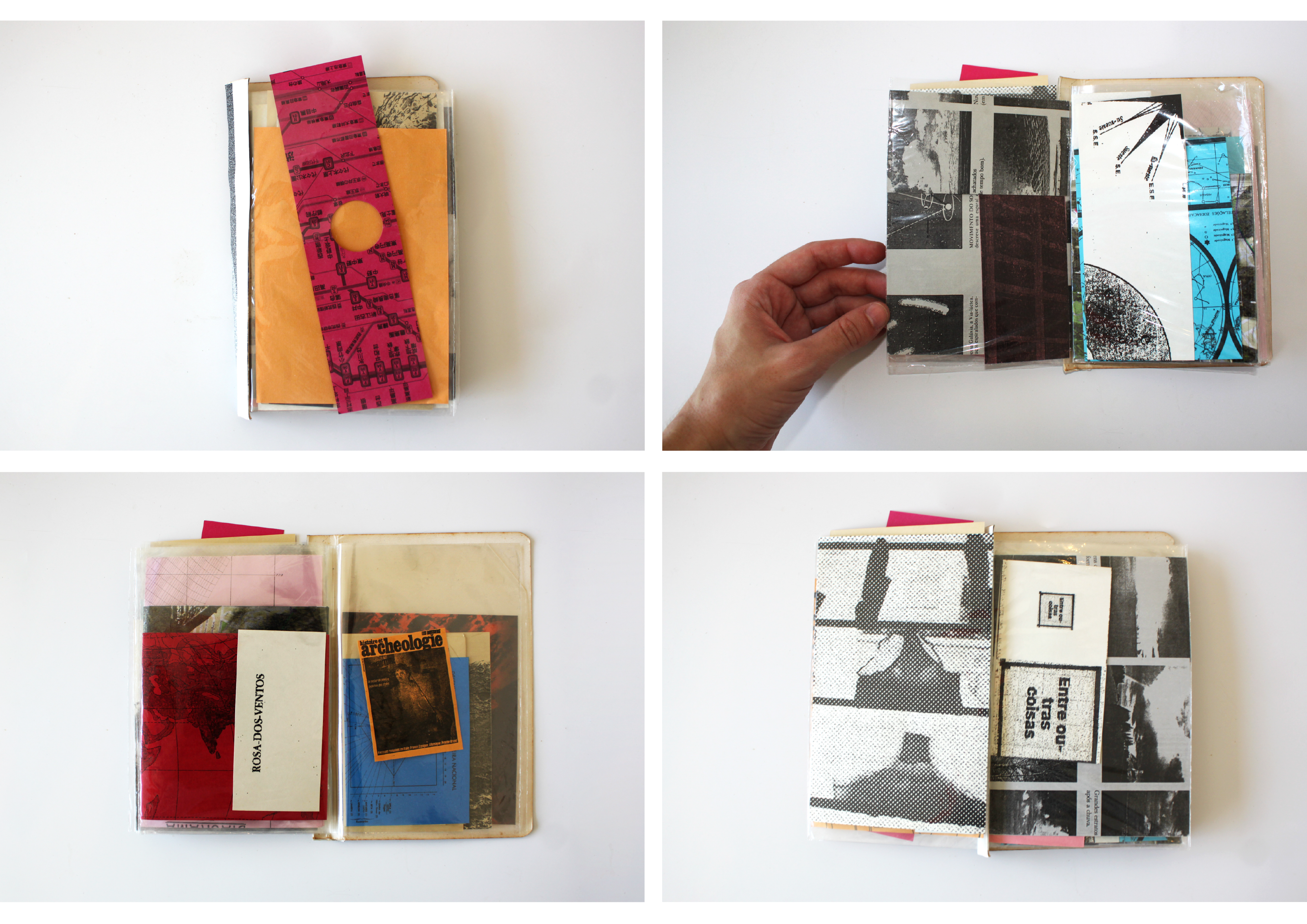
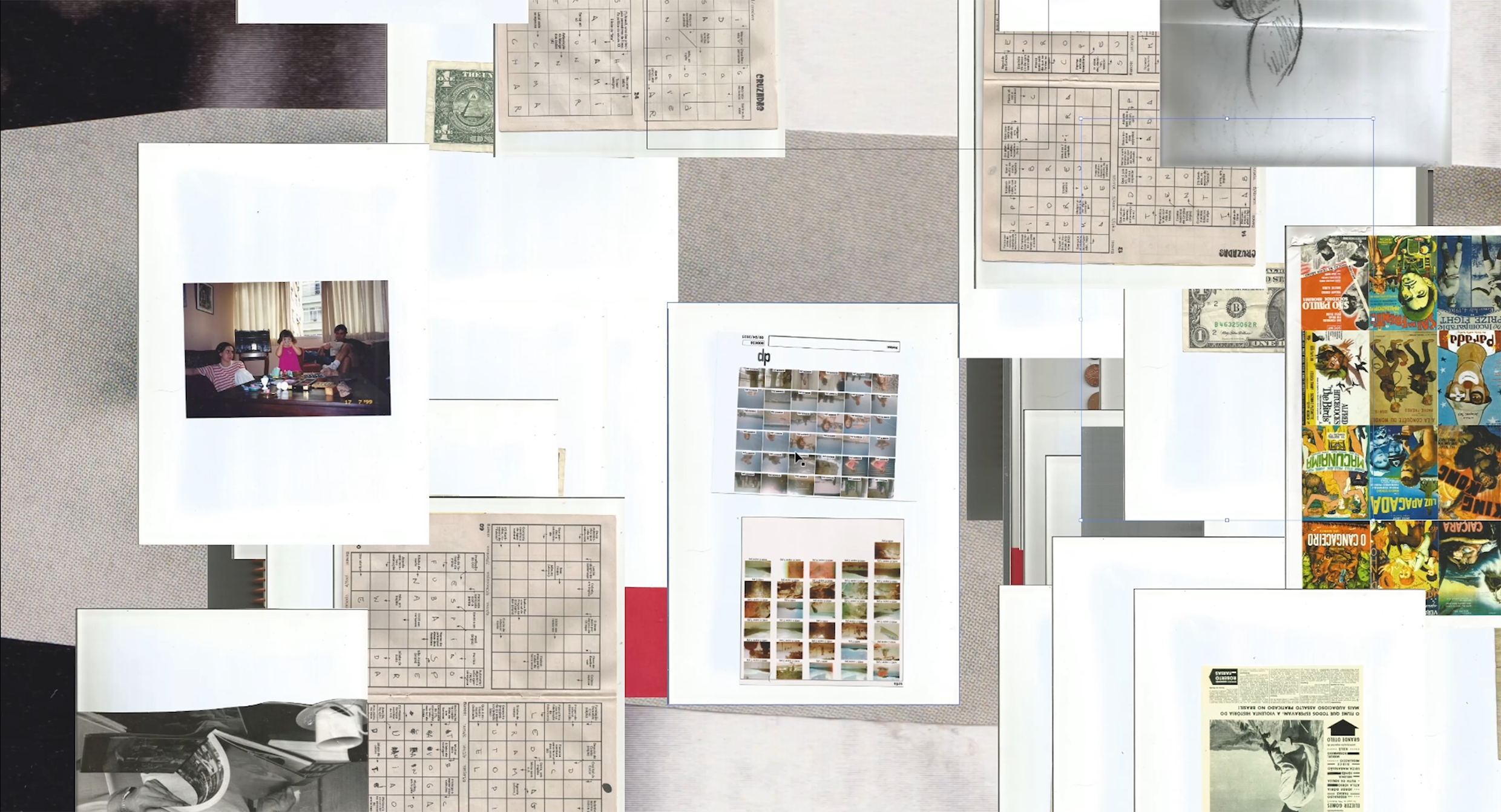
One of the project outcomes is a video art piece created from the collected archives, conceived as a space for process-based visual experimentation, where images are layered, fragmented, and transformed. The project also includes a collage mural developed from scanned and printed images and objects on different paper supports, manually cut and recomposed to explore accumulation, loss, and reconstruction.
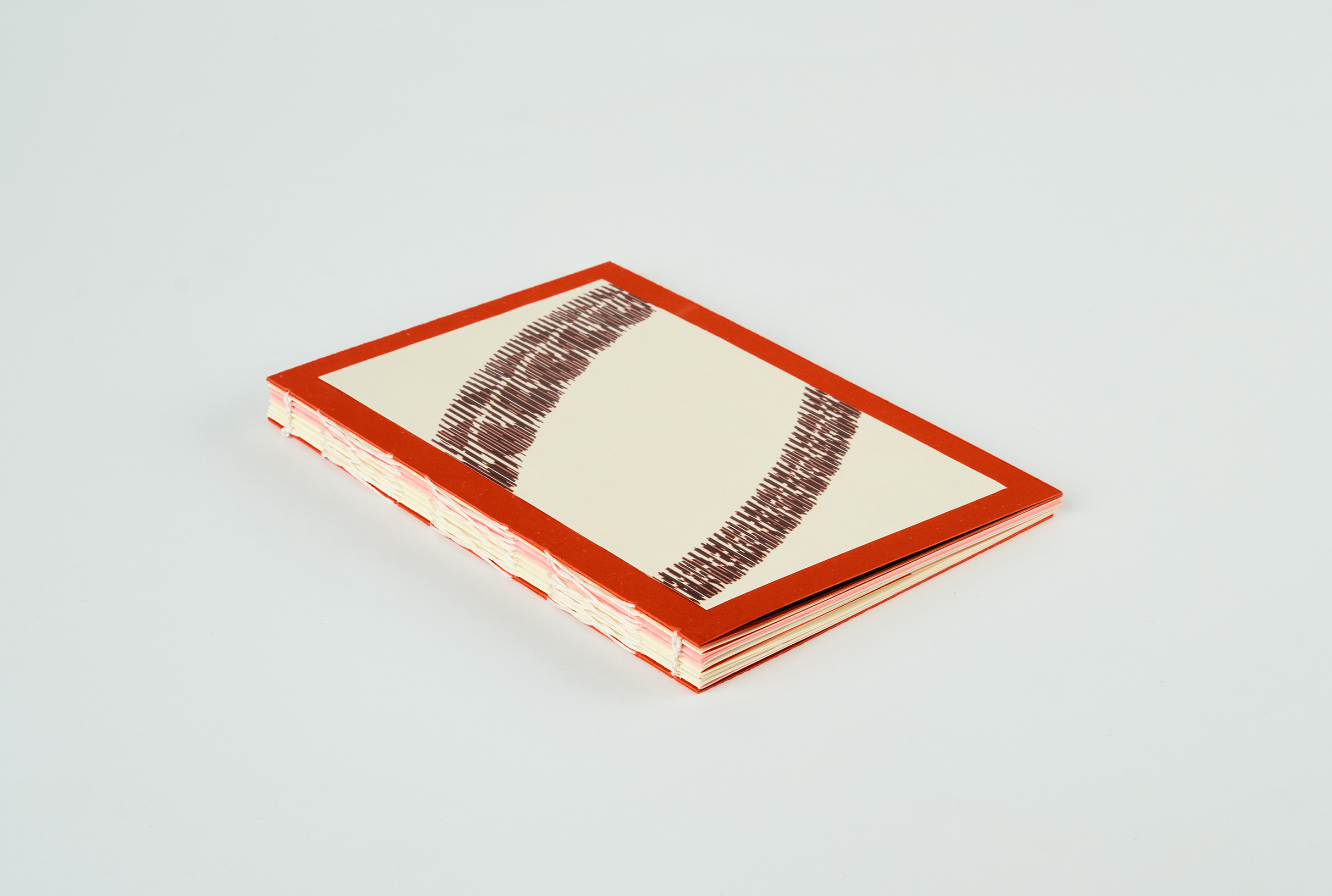
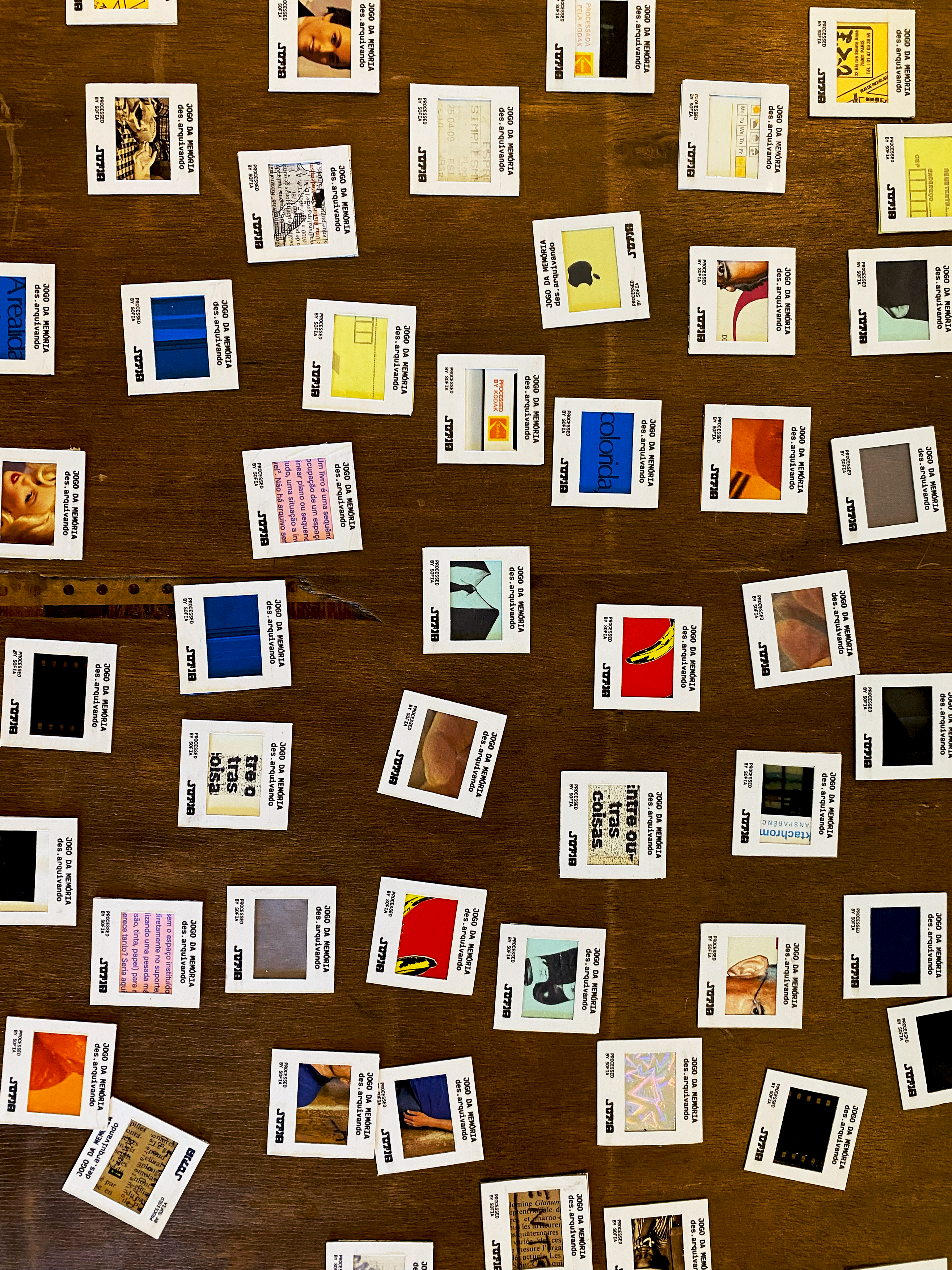
From these collages, an analog photo album and a compositions notebook were produced, documenting the creative process and reinforcing the intimate dimension of the archive. Together, these elements form an installation that articulates images, objects, and projections, redefining the archive not only as storage, but as a system for creation, reflection, and continuous transformation.
Créditos
| Firstname |
Lastname |
Role |
Company |
| Sofia |
Alvim |
Concepto y desarrollo del proyecto |
Pontifícia Universidade Católica do Rio de Janeiro |
| Roberta |
Portas |
Orientadora |
PUC-Rio |
| Sofia |
Alvim |
Investigación y metodología de archivo |
PUC-Rio |
| Sofia |
Alvim |
Fotografía |
PUC-Rio |
| Sofia |
Alvim |
Expografía |
Museu Universitário Solar Grandjean de Montigny |